

Величайшая нерассказанная история? The Old World, Mud Floods, Всемирные выставки и унаследованная нами история

Величайшая нерассказанная история?
The Old World, Mud Floods, невозможные здания, Всемирные выставки, поезда для сирот, дети в инкубаторах, Flat Earth, забытая история — и, как ни странно, панды.
Есть странный момент, который возникает, если долго смотреть на фотографии XIX — начала XX века. В конце концов вы перестаёте смотреть на людей. Вы начинаете смотреть за ними.
Грязные улицы. Лошади. Повозки. Мужчины с лопатами. Женщины в длинных платьях. Дети с корзинами. Иммигранты, ступающие в незнакомые города, почти со всем своим имуществом, упакованным в несколько чемоданов.
А за ними?
Железнодорожные станции, похожие на дворцы. Суды, покрытые резным камнем. Соборы, поднимающиеся на сотни футов в высоту. Купола, башни, арки, фонтаны, огромные каменные блоки, сложная металлоконструкция и общественные здания, которые многие современные города едва ли смогли бы воспроизвести сегодня без лет планирования и огромных бюджетов.
Что если они стояли внутри цивилизации, которую они унаследовали?
Это вопрос в центре того, что в интернете получило несколько перекрывающихся названий: Old World, Tartaria, Reset, Mud Flood, унаследованная архитектура, альтернативная хронология и забытая история.
Я не стесняюсь называть это теорией заговора.
Это и есть теория заговора.
Но выражение «conspiracy theory» не даёт волшебного ответа на вопросы, которые его породили.
А некоторая задокументированная история, окружающая эту кроличью нору, намного страннее самой теории.
01 Посмотри за людьми
Джон Леви создал огромное собрание работ, посвящённых поразительно простому действию: внимательному рассмотрению старых фотографий.
Не просто читать подписи.
Смотреть.
Его видео снова и снова возвращаются к монументальным зданиям, якобы молодым городам, частично погребённым окнам, огромным укреплениям, необычным фотографиям строительств, Всемирным выставкам, забытым железным дорогам, туннелям, заброшенной инфраструктуре и сооружениям, чья официальная история строительства иногда кажется удивительной, если сравнить её с технологией и населением, видимыми вокруг.
Документальный фильм Шона Хиббелера Old World Order подталкивает предположение дальше: а что если хронология, которую нам дают для относительно недавней цивилизации, была существенно неправильно понята — или даже переписана?
А вот есть ещё Дэвид Вайс, более известный как Flat Earth Dave или DITRH — Deep Inside the Rabbit Hole. Его главная теория касается формы Земли, а не Тартарии, но очевидна философская связь.
Что вы действительно знаете потому, что наблюдали сами?
А что вы знаете потому, что вам дали диаграмму, учебник, документальный фильм, музейную экспозицию, объяснение эксперта или подпись под фотографией?
Old World Order
Документальный фильм, исследующий унаследованную архитектуру, альтернативную хронологию и гипотезу Старого мира.
02 Кристальный дворец: серьёзно?
Давайте начнём с чего‑то очень конкретного.
Кристальный дворец существовал.
Это не была фантастическая картина и не киносъёмочная декорация.
Это было огромное сооружение из железа и стекла, возведённое в Гайд‑парке Лондона для Великой выставки 1851 года.

Официальная история не стесняется этого достижения.
Кристальный дворец был одним из ярчайших примеров индустриальной сборной постройки. Стандартизованные железные колонны, балки и стеклянные панели позволяли собрать гигантское здание с поразительной скоростью.
Это официальное объяснение.
И это хорошее объяснение.
Но посмотрите ещё раз.

Внутри этого строения были огромные галереи, механизмы, скульптуры, фонтаны, толпы людей, экспозиции со всего мира и взрослые деревья.
Его иногда описывают разговорно так, будто кто‑то просто решил поставить особенно амбициозную теплицу.
Теплица?
Да ну.
Это был промышленный собор, сделанный из стекла.
Обычное объяснение
Промышленное домостроение, унифицированные компоненты, огромные численности рабочей силы, мощная коммерческая организация и модульная конструкция сделали возможной быструю сборку.
Вопрос Старого Света
Все ли фотографии, показывающие создание подобных сооружений, действительно запечатлевают их первоначальное строительство, или некоторые могли изображать ремонт, реставрацию или перепрофилирование?
03 А потом они построили целый «Белый город»
Через сорок два года Чикаго принял Всемирную колумбовскую выставку 1893 года.
Вот где кроличья нора становится почти непреодолимой.
На выставочной площадке были монументальные неоклассические здания, огромные выставочные залы, каналы, лагуны, статуи, мосты, сады, фонтаны, терминальная станция и ослепительная электрическая система.
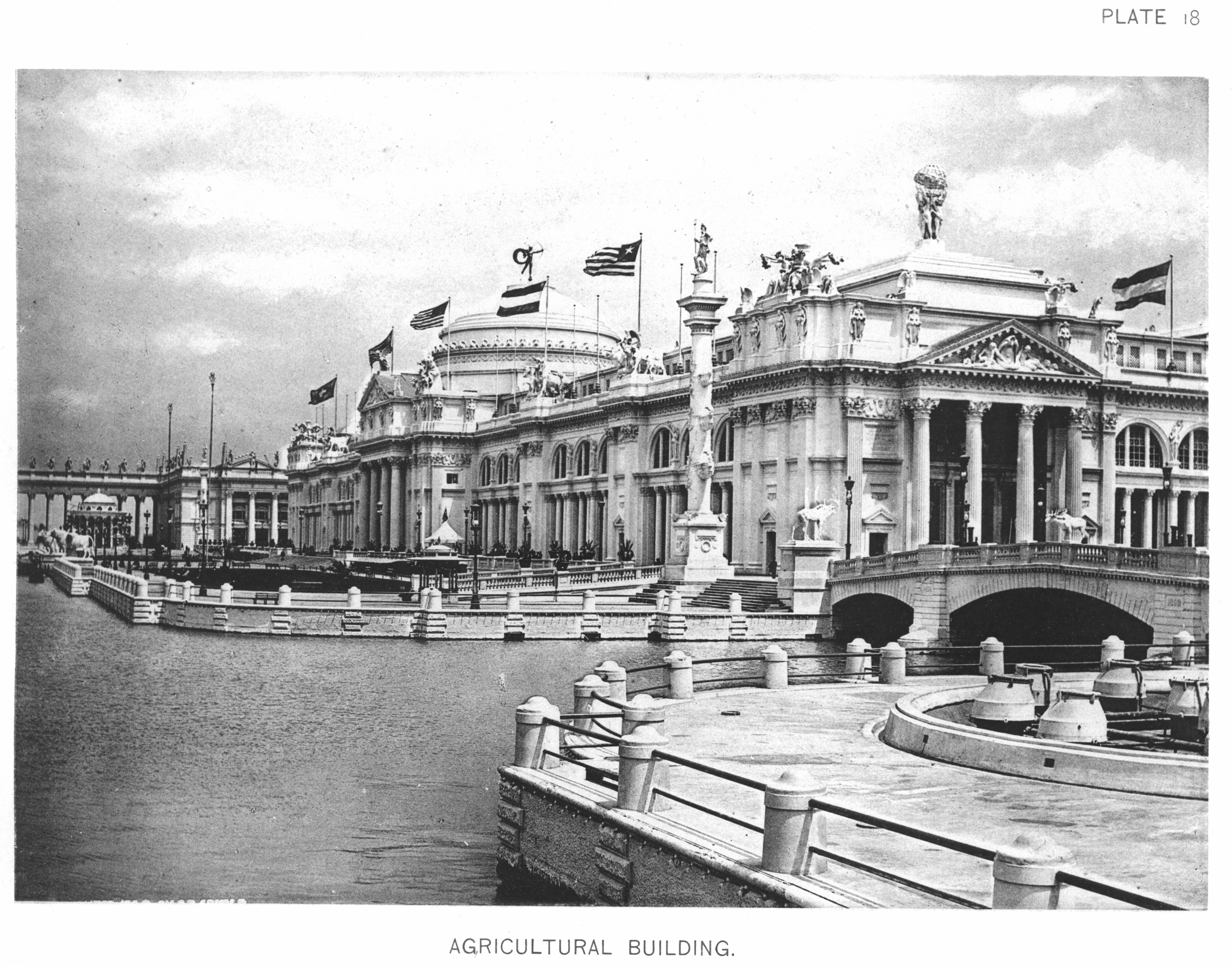
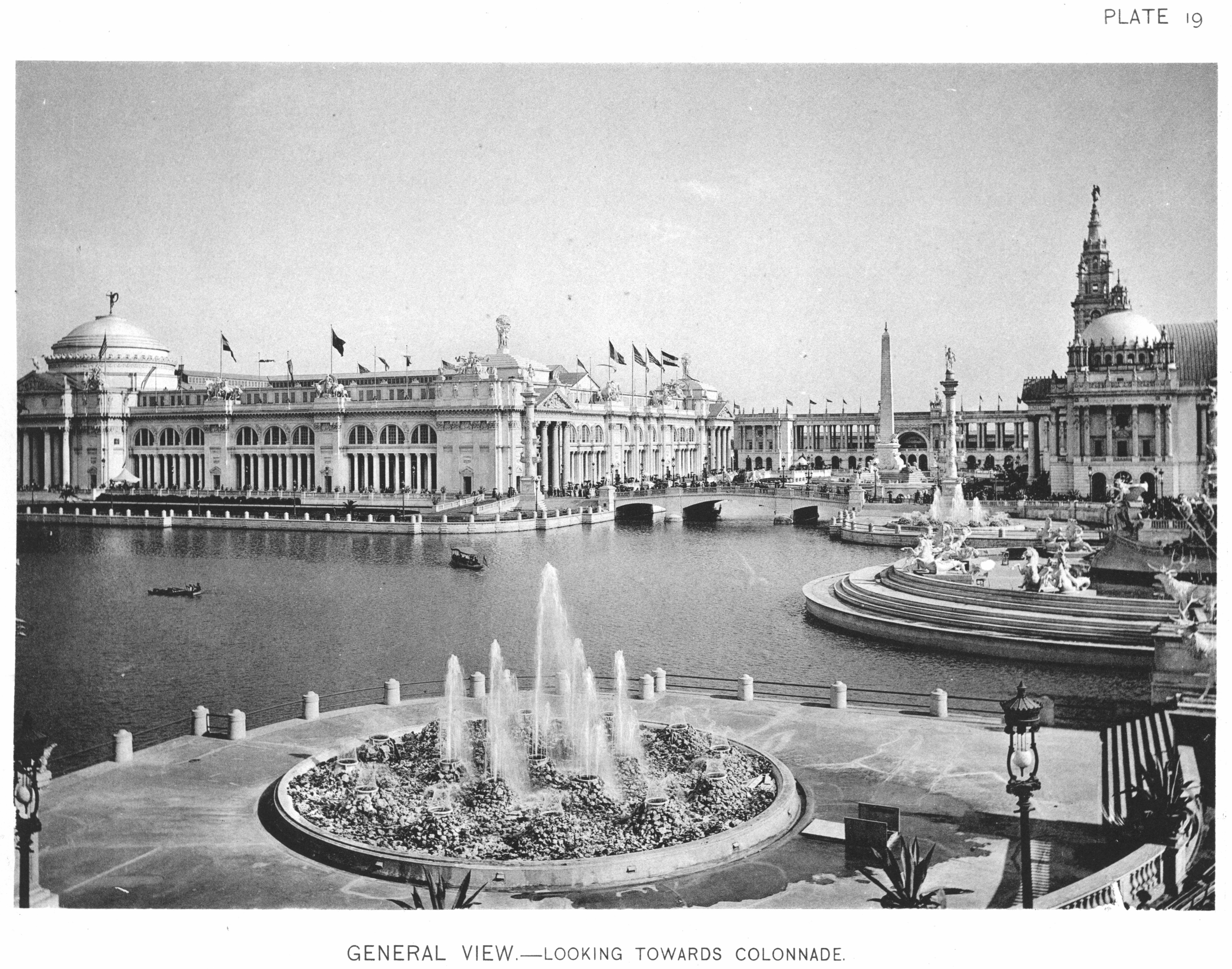
Историки мейнстрима довольно хорошо объясняют большую часть кажущихся тайн.
Многие из величественных фасадов не были из цельного мрамора.
Они использовали временный строительный материал, известный как staff, обычно представляющий собой гипс и волокно поверх каркасных конструкций.
Хорошо.
Но это порождает ещё один вопрос.
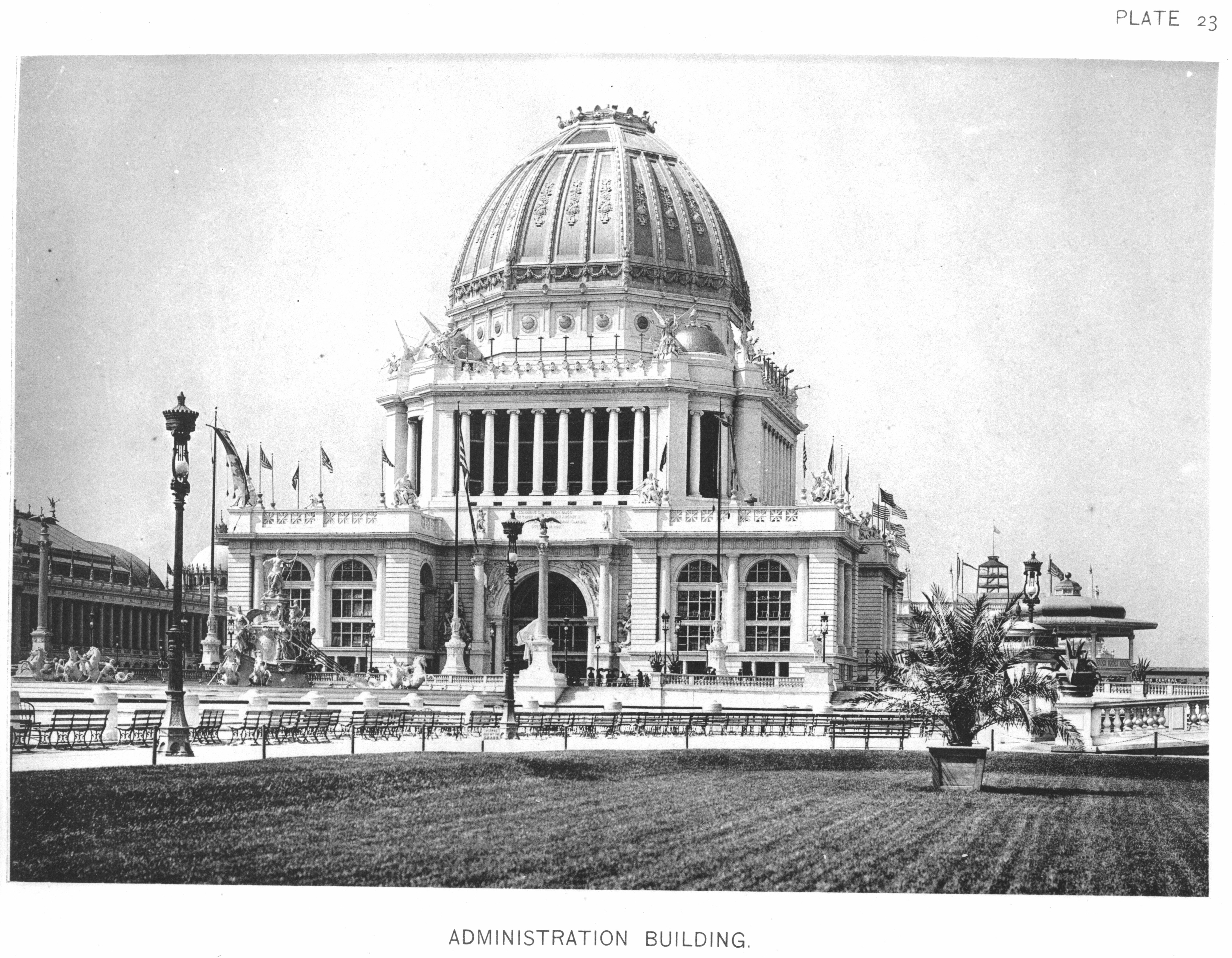
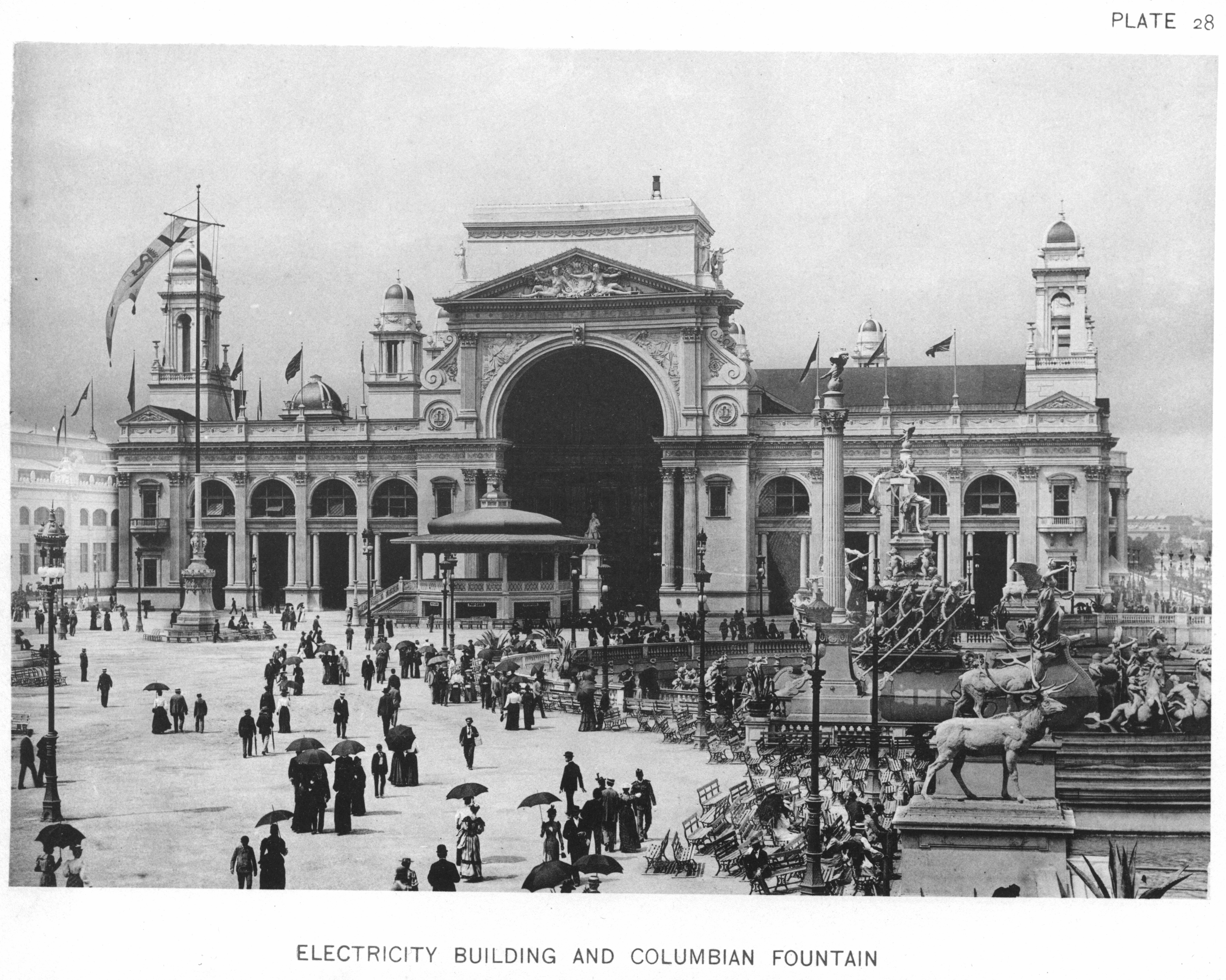
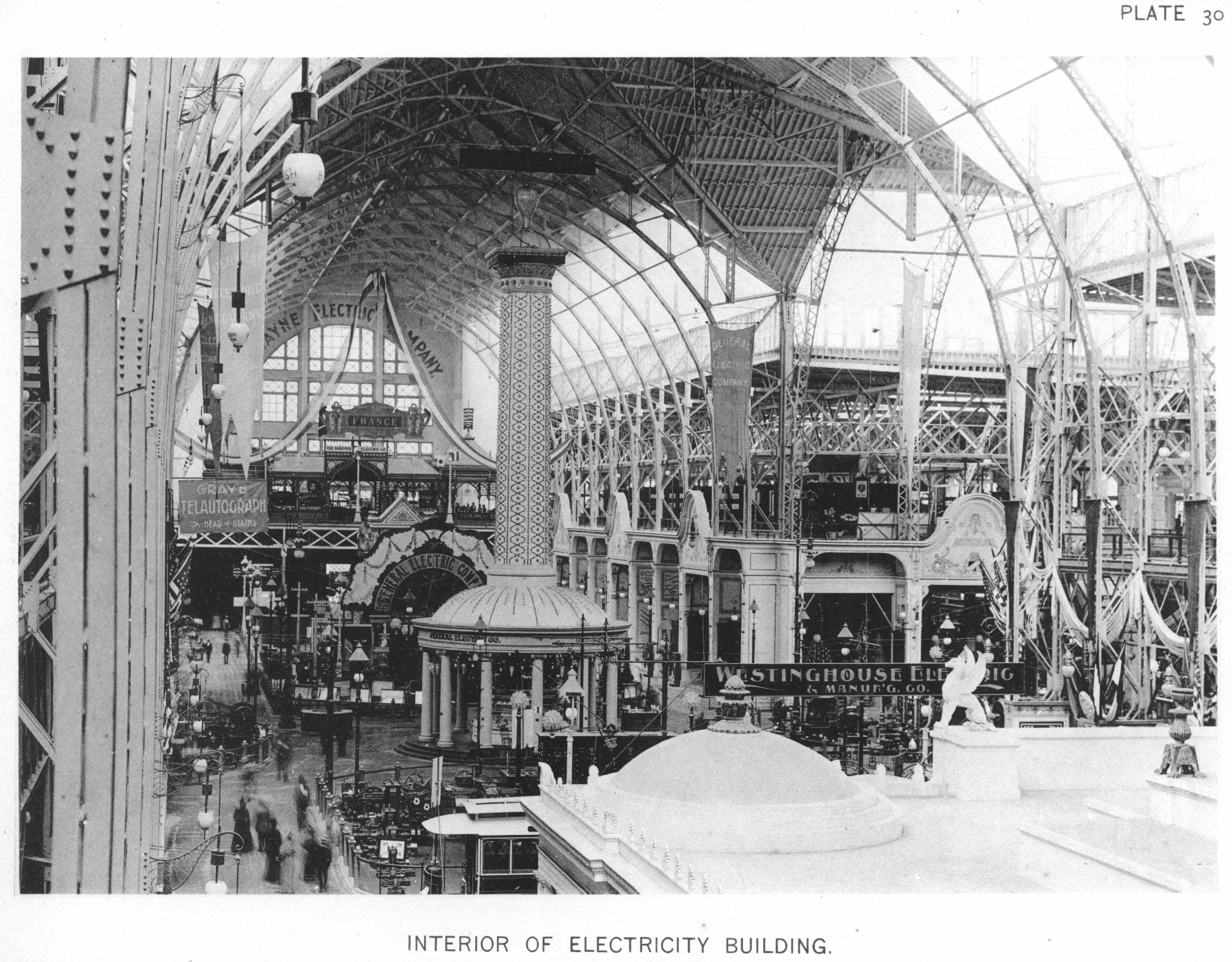
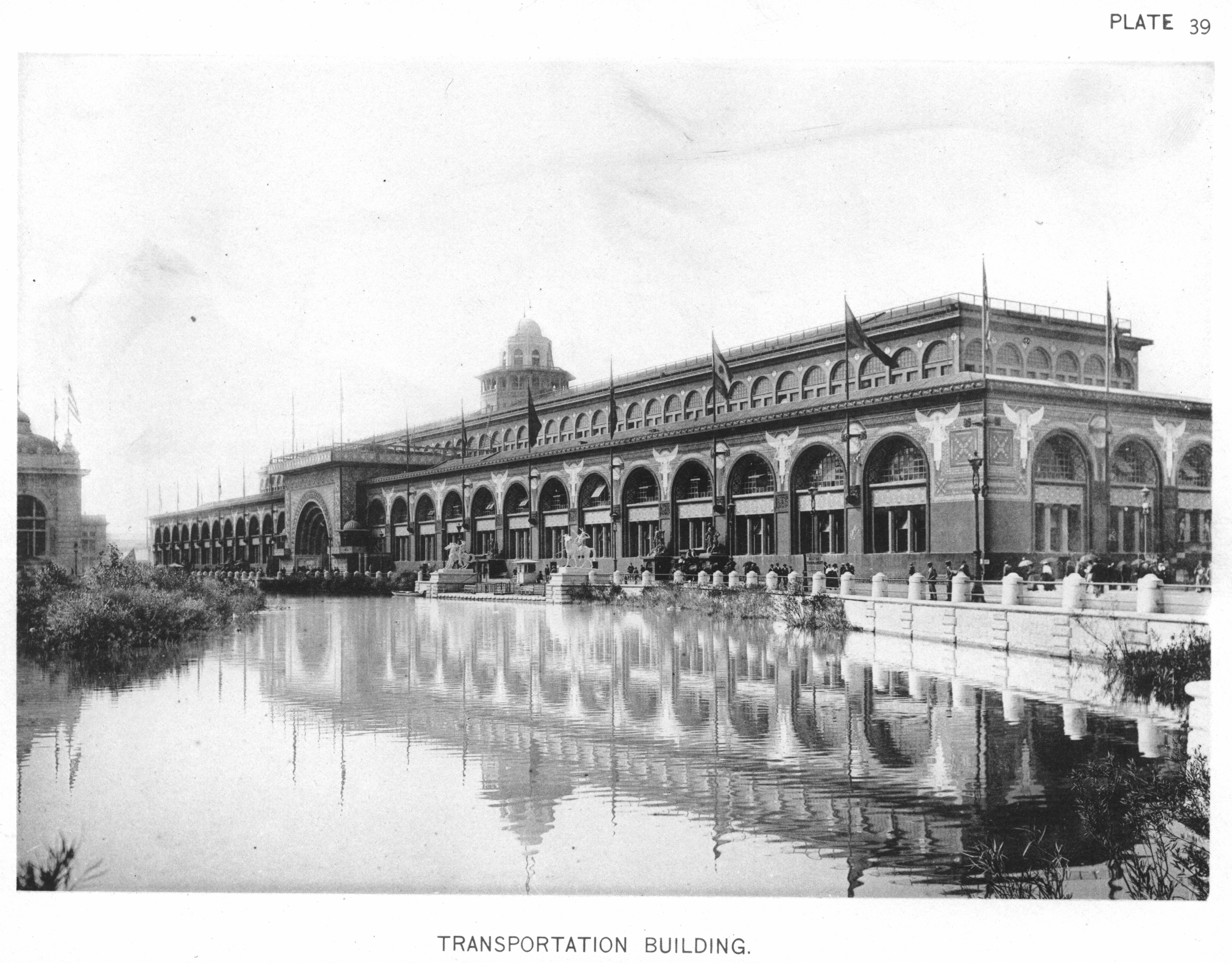
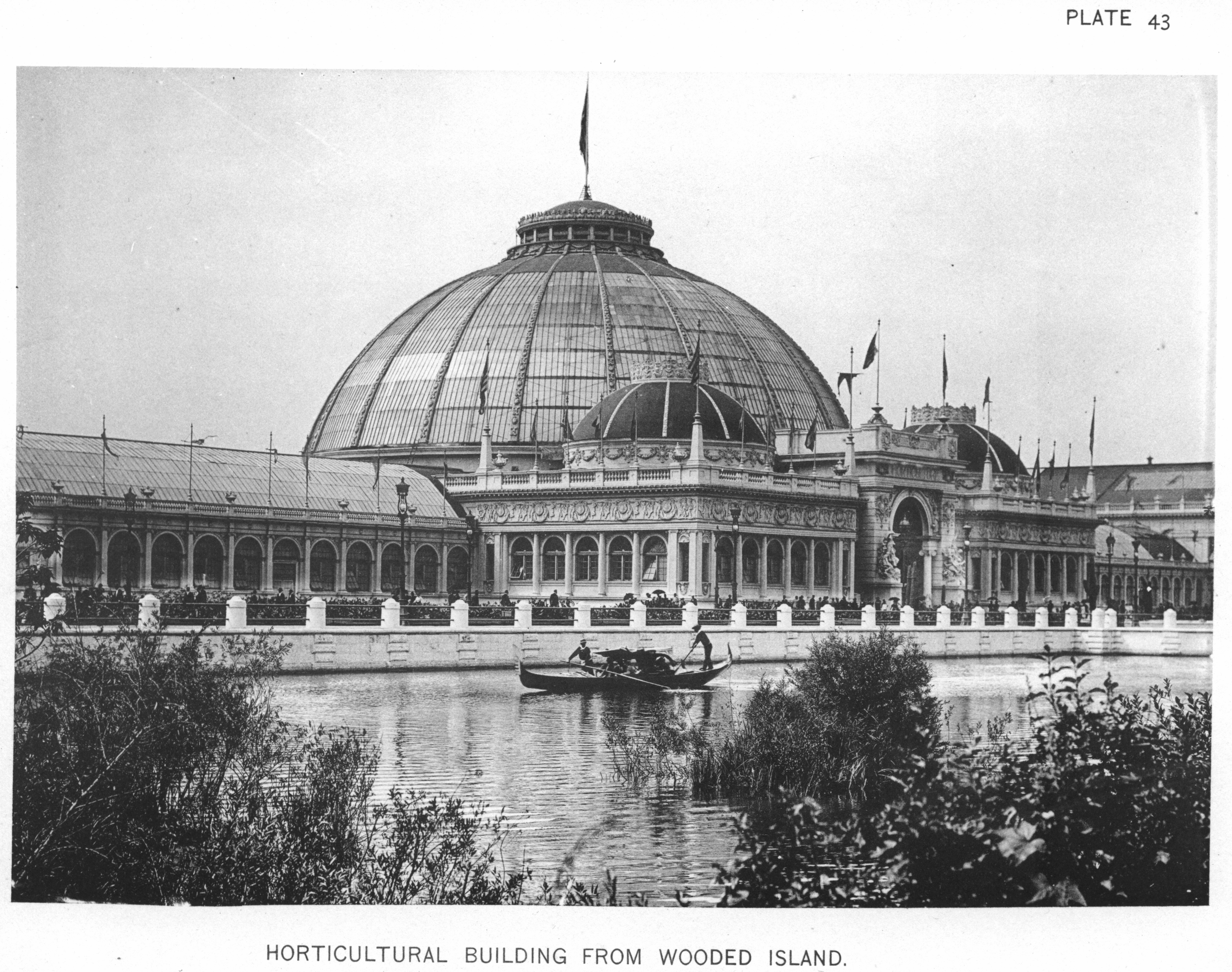
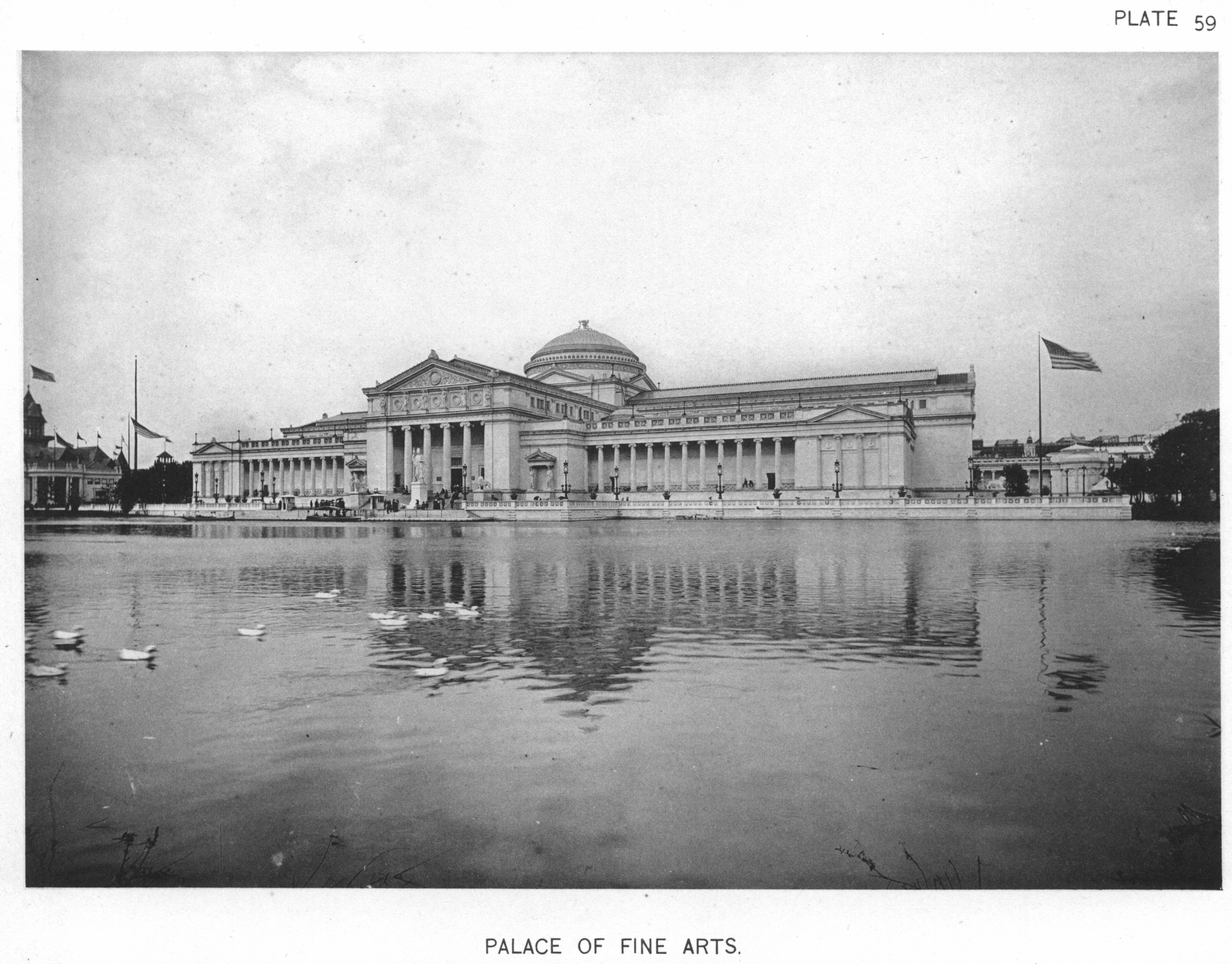
04 Строительство — или перепрофилирование?
Именно здесь теория «Старого мира» делает свой самый провокационный ход.
А что если слово под некоторыми историческими фотографиями неверно?
Не обязательно намеренно неверно.
Просто неверно.
Фотография, описанная как «строительство» может показывать восстановление.
Рабочие, раскопывающие вокруг здания, могут закладывать фундамент.
Или они могут обнаруживать что-то.
Города действительно меняют уровень улиц.
Здания действительно приобретают подземные этажи по мере изменения окружающей инфраструктуры.
Гипотеза грязевого потопа
В своей самой широкой формe теория грязевого потопа предполагает, что относительно недавняя катастрофа отложила огромные количества ила или осадка вокруг более древней цивилизации, оставив нижние этажи частично погребёнными.
Позднейшие поколения, как утверждается, раскапывали, ремонтировали и заселяли уцелевшие здания.
Официальная геология не признаёт доказательств всемирного грязевого потопа XIX века.
Местные наводнения, засыпки в городской застройке, изменение уровня улиц, оползни и намеренное подземное строительство дают обычные объяснения для многих примеров.
Потерянная история
Долгосрочное исследование забытой истории, альтернативной хронологии и теорий о перезагрузке цивилизации.
05 А затем города горят
Кроличья нора теории «Старого мира» в итоге сталкивается с огнём.
Чикаго.
Сан‑Франциско.
Балтимор.
Бостон.
Торонто.
Города в XIX и начале XX веков переживали катастрофические пожары с интенсивностью, которую современным людям трудно себе представить.

Официальное объяснение просто: деревянные здания, открытое пламя, отопление углём и дровами, ограниченные системы водоснабжения и примитивное пожаротушение.
Город XIX века мог превратиться в огромную пороховую бочку.

Ничего из этого не требует заговора.
Но огонь — невероятно эффективная перезагрузка.
Он уничтожает здания.
Он уничтожает записи.
Он уничтожает карты.
Затем города восстанавливаются.
06 А что если украшение — это технология?

Пожар 2019 года в Нотр‑Даме неизбежно оказался вовлечён в спекуляции о «Старом мире».
Следователи сочли происшествие случайным.
Нет убедительных доказательств того, что пожар был устроен с целью стереть забытые технологии.
Но вопрос о Старом мире выходит за рамки пожара.
Для чего изначально были предназначены соборы?
Альтернативные исследователи изучают шпили, металлические навершия, колокола, куполы, башни и резонансные камеры и задаются вопросом, не имели ли некоторые монументальные здания когда‑то функций, которые последующие поколения перестали понимать.
Нет общепринятых инженерных доказательств того, что готические соборы были электростанциями.
Но здания часто получают новое назначение.
Храм становится церковью.
Дворец становится музеем.
Вокзал становится торговым центром.
07 Проблема монументов

У Триумфальной арки задокументирована история строительства.
Это не мешает ранним фотографиям завораживать.
Исследователи Старого мира замечают повторяющиеся арки, купола, колонны, звёздчатые форты и огромные каменные постройки на разных континентах.
История архитектуры объясняет эти сходства общими традициями, империями, каталогами проектов, колониальным влиянием и архитекторами, обученными за границей.
Альтернативный вопрос остаётся:
А что если некоторая архитектурная схожесть отражает нечто более древнее?
08 Проблема скорости
Вам на самом деле не нужна Тартария, чтобы считать историю строительства поразительной.
Возьмём, к примеру, оригинальный Yankee Stadium.
Он открылся в 1923 году после исключительно быстрого строительного проекта.
Ранние индустриальные общества иногда могли организовывать огромную рабочую силу и гигантские проекты с темпами, которые сегодня трудно себе представить.
09 Потом появляются дети
Архитектура — лишь половина этой кроличьей норы.
Население — другая половина.

С XIX до начала XX века американские программы по размещению детей перемещали огромное количество детей из переполненных восточных городов в семьи в других регионах страны.
Они получили общее название — «Поезда сирот».
Некоторые дети были настоящими сиротами.
У некоторых были живые родители, которые не могли их содержать.
Некоторые происходили из крайней нищеты.
Некоторых фактически бросали.
Некоторым попадались любящие дома.
Другие подвергались эксплуатации и насилию.

Традиционное историческое объяснение убедительно: массовая иммиграция, бедность, индустриализация, ограниченные системы социального обеспечения, смерть родителей, общественное клеймо и неадекватные институты породили гуманитарный кризис, затронувший детей.
Затем теория Reset берёт те же доказательства и переставляет их.
А что если это были не просто перемещённые дети?
А что если частично опустевшей цивилизации требовалось перераспределение и повторное заселение?
Или повторно заселяя мир?
Не существует общепринятых исторических доказательств, демонстрирующих организованную секретную программу по повторному заселению после катастрофы.
Но именно поэтому теория и выживает: само задокументированное событие настолько незнакомо современным людям, что его простое описание может звучать как заговор.
10 Младенцы в инкубаторах были реальны
Теперь мы подходим к одному из самых странных эпизодов полностью задокументированной истории в этой статье.
Недоношенных младенцев показывали платной публике.
Настоящих младенцев.
В инкубаторах.
На выставках и аттракционах.
Посетители платили вход, чтобы их увидеть.
Мартин Куни стал знаменит тем, что организовывал экспозиции инкубаторов для младенцев в эпоху, когда неонатальная медицина в больницах ещё только развивалась.
Эта странная схема помогала финансировать дорогостоящий уход за недоношенными и одновременно демонстрировала, что такие младенцы могут выживать.
Это не утверждение о «грязевом потопе».
Это задокументированная медицинская история.
И всё же: поставьте «инкубаторных» младенцев рядом с Orphan Trains, массовой иммиграцией, быстро растущими городами и огромными всемирными выставками — и вы поймёте, почему исследователи из Reset начинают соединять точки.
Принадлежат ли эти точки на самом деле одной и той же картине — другой вопрос.
11 Младенцы из Cabbage Patch?
И тут появляется фольклор.
Поколениями взрослые говорили детям, что младенцы появляются из капустных грядок, их приносят аисты или они просто возникают каким‑то причудливым образом, который никому не нужно объяснять.
Обычное объяснение очевидно.
Взрослые не хотели объяснять детям секс.
Этого достаточно.
Но сообщества, увлечённые альтернативной историей, любят фольклор, потому что тот иногда сохраняет искажённые воспоминания о подлинных событиях.
Истории о потопе встречаются во многих культурах.
Потерянные города становятся легендами.
Реальные правители превращаются в мифических королей.
Войны превращаются в героические эпопеи.
И кто‑то в итоге задаёт неизбежный запретный вопрос:
Что если странный фольклор о таинственно появляющихся детях сохранил искажённую культурную память о масштабных перемещениях детей?
У меня есть доказательства?
Нет.
Мне нравится задавать этот вопрос?
Абсолютно.
12 Flat Earth Dave и вопрос, стоящий за вопросом
David Weiss — более известный как Flat Earth Dave или DITRH, Deep Inside the Rabbit Hole — принадлежит этой беседе, хотя теории Old World и плоской Земли — не одно и то же.
Связь — эпистемологическая.
Кстати, это полезное английское слово.
Мы вернёмся к нему позже.
Это означает, что связь касается как мы знаем то, что мы знаем.
Weiss неоднократно призывает свою аудиторию отделять прямое наблюдение от моделей, принятых на основании авторитета.
Астрономия, геодезия, навигация, спутниковые технологии и физика в основном поддерживают идею примерно сферической Земли. Модель Flat Earth отвергается мейнстримной наукой.
Но это не делает Weiss культурно неинтересным.
Его популярность показывает, что многих людей заинтересовал более широкий вопрос:
Этот вопрос легко переносится из космологии в историю.
Jon Levi говорит: посмотри на здание ещё раз.
Flat Earth Dave говорит: посмотри на горизонт ещё раз.
Шон Хиббелер говорит: посмотри ещё раз на хронологию.
Выводы могут оказаться радикально другими.
Инстинкт похож.
Правило кроличьей норы
Не верьте во что‑то только потому, что это нетрадиционно.
Но и не отбрасывайте что‑то только потому, что это нетрадиционно.
Спросите, какие доказательства помогли бы отличить одно объяснение от другого.
Выпуск №2: Вниз по моей первоначальной кроличьей норе
Много лет назад я посвятил Выпуск №2 своей журнальной работе теме плоской Земли и более широкому вопросу: заслуживают ли модели, представляемые нам институтами, самостоятельной проверки.
Эти видео остаются частью истории моего подхода к этой теме. Я сохранил предоставленный архив здесь, вместо того чтобы прятать его за общей ссылкой.
Откройте любой раздел, чтобы посмотреть. В каждой записи есть встроенное видео и кнопка «Смотреть на YouTube» прямо под ним.
Видеоархив Выпуска №2 — Часть 1
Из моей первоначальной видеоколлекции Выпуска №2, исследующей тему плоской Земли и альтернативные интерпретации окружающего нас мира.
Owen Benjamin — NASA, посадка на Луну и связанные утверждения
Предоставленное видео, в котором Owen Benjamin критикует NASA и общепринятую космическую версию событий. Оно сохранено здесь как часть медиаархива альтернативной истории.
Видеоархив Выпуска №2 — Часть 3
Ещё подборка из оригинального архива Выпуска №2, сохранённая с точным идентификатором видео на YouTube.
Видеоархив Выпуска №2 — Часть 4
Из оригинальной коллекции Выпуска №2, исследующей нетрадиционные вопросы относительно принятых научных и исторических повествований.
История глобуса — Globe History 地球歷史
Одно из ранних видео, связанное с моим материалом по плоской Земле и Выпуском №2.
Видеоархив Выпуска №2 — Часть 6
Ещё один сохранившийся материал из моей оригинальной коллекции видео по альтернативной истории и плоской Земле из Выпуска №2.
Мы не можем попасть в космос
Видео из предоставленного архива, оспаривающее общепринятые утверждения о космических путешествиях и современной космологической модели.
Видеоархив Выпуска №2 — Часть 8
Из оригинального архива Выпуска №2, представлено здесь с использованием точного предоставленного видео с YouTube.
Иезуиты стирают нашу плоскую Землю — Документальный фильм
Документальный фильм из экосистемы теорий заговора о плоской Земле, исследующий утверждения об институциональной истории, образовании и иезуитах.
Видеоархив Выпуска №2 — Часть 10
13 А раз уж мы сомневаемся во всём... динозавры
Кроличья нора вежливо не ограничивается одной темой.
Стоит кому-то начать спрашивать, не реконструирована ли история на основе неполных данных, и музеи становятся очевидным следующим шагом.
Динозавры подтверждаются огромным массивом палеонтологических данных: окаменелые кости, следовые дорожки, яйца, копролиты, геологический контекст и образцы, изучаемые в разных странах и независимых учреждениях.
Наличие музейных реплик не означает, что динозавры вымышлены. Музеи часто выставляют слепки, потому что оригинальные окаменелости ценны, хрупки или неполны.
Тем не менее критики, такие как Оуэн Бенджамин и другие из сообщества теорий заговора, задают вопросы о реконструкции, художественной интерпретации, институциональном авторитете и о том, сколько из того, что посетители видят в музее, — это оригинальные ископаемые, а сколько — слепки.
Снова же, здесь есть полезное интеллектуальное различие.
Музейная реконструкция отчасти является интерпретацией.
Это не делает само животное вымышленным.
Но понять, где кончаются доказательства и где начинается реконструкция — вполне разумный вопрос.
Архив по динозаврам
Предоставленное видео альтернативной истории, исследующее вопросы, связанные с динозаврами, ископаемыми и музейными реконструкциями.
Динозавры — выдумка — Оуэн Бенджамин
Включено в качестве примера гораздо более радикальной альтернативной интерпретации. Видео представляет утверждения выступающего; основная палеонтология решительно не согласна с ними.
14 А теперь: панда

Теперь я хочу представить Экспонат P.
Панда.
Посмотрите на неё.
Серьёзно.
Посмотрите на это животное.
Он относится к биологическому отряду Carnivora, однако в дикой природе его рацион преимущественно состоит из бамбука.
Его пищеварительная система вовсе не выглядит как идеально оптимизированный аппарат травоядного.
Так что же оно делает?
Оно ест.
И ест.
И ест.
Большую часть дня.
У него есть видоизменённая запястная кость, которая удивительно хорошо выполняет роль большого пальца, позволяя захватывать бамбук.
У самок панды короткий репродуктивный период.
Их новорождённые детёныши поразительно малы по сравнению с матерями.
Разведение в неволе стало печально известным своей сложностью.
Другими словами, иногда панда больше похожа не на триумфальный итог изящной биологической инженерии, а на то, что природа приняла вызов.
Некоторые интернет-утверждения о пандах просто неверны.
Панды — не единственные млекопитающие с глазами, смотрящими вперёд, которые питаются растительностью. Иногда они могут есть животную пищу. Это полностью природные животные с эволюционной историей, представленной ископаемыми находками.
Итак, нет — я не могу доказать, что Old World создал панд в подземной лаборатории.
К сожалению.
Но если бы кто‑то сказал мне завтра, что панда была спроектирована комитетом в 16:45 в пятницу, я хотя бы позволил бы им закончить презентацию.
15 Разместить кусочки рядом друг с другом
Сила теории Old World не заключается в каком‑то одном доказательстве.
Она возникает, когда множество, казалось бы, несвязанных фрагментов кладут рядом друг с другом, пока они не начнут ощущаться как закономерность.
Огромное сборное выставочное сооружение из стекла и железа появилось в Лондоне — в нём были встроены зрелые деревья.
Крупный американский город переживает катастрофическое разрушение и затем заново отстраивается.
Множество детей перевозят в рамках организованных программ по устройству.
Для Всемирной Колумбийской выставки появились монументальные временные постройки, лагуны, электрическое освещение и огромные выставочные здания.
Недоношенные младенцы получают неонатальное лечение в публичных аттракционах, частично финансируемых зрителями.
Землетрясение и пожар уничтожают ещё один крупный город и радикально меняют его застроенную среду.
Традиционный историк видит несколько разных историй.
Индустриализация.
Миграция.
Городская катастрофа.
Медицинские инновации.
Временная выставочная архитектура.
Благосостояние детей.
Технологический прогресс.
Сторонник теории Reset смотрит на тот же список и видит одну историю.
Депопуляция.
Повторное заселение.
Унаследованные города.
Уничтоженные доказательства.
Переписанная история.
Исторические факты сами по себе не делают выбор между этими интерпретациями.
Вот почему контекст имеет значение.
16 Итак, во что я на самом деле верю?
Здесь я готов признаться в приверженности теории заговора.
Я считаю, что мы унаследовали больше, чем нам кажется.
Я считаю, что школьный курс истории неизбежно сжат, упрощён и обеззаражен, потому что тысячи лет человеческой цивилизации каким‑то образом нужно вместить в учебники, уроки и экзамены.
Я считаю, что старые фотографии заслуживают отдельного анализа, независимо от подписей к ним.
Я считаю, что строительные способности людей XIX века систематически недооценивают.
Я считаю, что Всемирные выставки поистине удивительны.
Я считаю, что сотни тысяч перемещённых детей заслуживают большего внимания, чем им обычно уделяют в популярной истории.
Я считаю, что выставки «младенцев в инкубаторах» — один из тех подлинных исторических фактов, которые звучат как вымысел, пока вы их не исследуете.
Я считаю, что пожары, реновации, войны, сносы, переустройство улиц и человеческая забывчивость стерли невероятные объёмы материальной истории.
И я считаю, что у людей есть ужасная привычка путать ныне принятое объяснение с единственным объяснением, которое кому‑либо позволено рассматривать.
Знаю ли я, что в XIX веке случился всемирный «грязевой потоп»?
Нет.
Знаю ли я, что Тартария была технологически развитой мировой цивилизацией, чью историю преднамеренно стёрли?
Нет.
Знаю ли я, что готические соборы были электростанциями?
Нет.
Знаю ли я, что панды — биологические беженцы из забытой цивилизации?
К сожалению, нет.
Но я знаю кое‑что ещё.
Человеческие знания улучшаются потому, что кто‑то в конце концов задаёт вопрос, который раньше звучал глупо.
Это не значит, что каждый кажущийся глупым вопрос содержит революционную истину.
Большинство, скорее всего, — нет.
Это значит, что на вопрос следует отвечать доказательствами, а не насмешками.
Верьте в это. Отвергайте. Исследуйте. Но сначала — посмотрите на фотографии.
Полная видеотека для погружения в «кроличью нору».
Если вы хотите сами погрузиться в кроличью нору, вот полный сборник, использованный в этой статье.
В отличие от списка бессмысленных кодов видео, каждая запись ниже обозначена по теме и источнику.
Old World Order
Исследование Шона Хиббелера о Старом Свете, унаследованной архитектуре и альтернативной хронологии.
Потерянная история
Длинный документальный фильм альтернативной истории из архива iLearn.tw.
Десять предоставленных видео с YouTube из моей ранней работы по теме плоской Земли и альтернативной истории встроены выше.
Они охватывают теорию плоской Земли, историю представлений о глобусе, NASA, космические путешествия, институциональную власть и смежные вопросы.
Видео намеренно представлены как настоящие титулованные карточки просмотра, а не как необъяснимые идентификационные номера YouTube.
Архив по динозаврам
Альтернативные вопросы, касающиеся окаменелостей, реконструкции и музеев.
Динозавры — выдумка — Оуэн Бенджамин
Гораздо более радикальный вызов общепринятому представлению о динозаврах.
А теперь давайте выучим немного английского
Вы прошли через кроличью нору. Теперь используйте эту статью как урок английского.
Не беспокойтесь, если вы не понимаете каждое слово. Сначала попытайтесь понять саму аргументацию, затем изучите словарь ниже.
Необходимая лексика
Получить что‑то от кого‑то или чего‑то, что существовало ранее.
А что если более поздние поколения унаследовали эти здания?
Взять нечто уже существующее и использовать снова, часто для новой цели.
Старый дворец может быть переиспользован в качестве музея.
Широко принятый, традиционный или обычно используемый.
Предложенное объяснение, которое можно проверить или исследовать.
Очень большой, впечатляющий или исторически значимый.
Физические системы, обеспечивающие функционирование общества.
Порядок следования событий во времени.
Идея, сформированная без достаточных доказательств, чтобы знать, верна она или нет.
Достаточно правдоподобный, чтобы это могло быть правдой.
Проверить, является ли что‑то точным или истинным.
История или упорядоченное объяснение событий.
Изучение знания: что такое знание и как мы что‑либо узнаём.
Задание с множественным выбором
Прочитайте вопрос и выберите A, B, C или D. Затем нажмите Показать ответ чтобы проверить себя.
1. Каков основной вопрос, стоящий за теорией «унаследованной архитектуры»?
Показать ответ
Теория ставит вопрос, не были ли некоторые впечатляющие сооружения унаследованы, отремонтированы или повторно присвоены, а не построены целиком теми народами, которым обычно приписывают их создание.
2. Почему Кристальный дворец важен для этого обсуждения?
Показать ответ
Кристальный дворец демонстрирует, насколько продвинулись промышленная организация и сборное производство в XIX веке.
3. Какой материал помог создать многие фасады в Белом городе Чикаго?
Показать ответ
Многие постройки на Всемирных выставках выглядели как постоянная монументальная кладка, но использовали временные конструкционные системы и материал, обычно называемый staff.
4. Утверждает ли эта статья, что всемирное Mud Flood XIX века было научно доказано?
Показать ответ
Традиционная геология не признаёт недавнее всемирное Mud Flood. Статья рассматривает его как альтернативную гипотезу, а не как установленный научный факт.
5. Что такое Orphan Trains?
Показать ответ
Большое количество детей перемещалось через организованные системы размещения в Соединённых Штатах в XIX и начале XX веков.
6. Действительно ли недоношенных младенцев выставляли в инкубаторах, вход к которым оплачивали посетители?
Показать ответ
Выставки недоношенных младенцев действительно существовали. Плата за вход помогала финансировать неонатальную помощь в то время, когда такое лечение было недоступно повсеместно.
7. Чем занимается «эпистемология»?
Показать ответ
Эпистемология изучает знание, доказательства и основания, по которым мы считаем что-то истинным.
8. Почему в статье упоминается Flat Earth Dave?
Показать ответ
Связь носит философский и эпистемологический характер. Статья не утверждает, что Flat Earth и теории о Старом мире являются идентичными.
9. Почему статья проводит различие между доказательствами и их интерпретацией?
Показать ответ
Orphan Trains, например, — историческое свидетельство. Называть их доказательством секретной программы по репопуляции — значит давать дополнительную интерпретацию, которая требует дополнительных подтверждений.
10. Какова роль панды в этой статье?
Показать ответ
Очевидно.
Верно или неверно?
В Crystal Palace действительно были включены зрелые деревья внутрь конструкции.
Каждое крупное здание на Чикагской всемирной выставке 1893 года не было постоянно построено из цельного мрамора.
Движение Orphan Train — просто интернет-теория заговора.
В этой статье утверждается, что каждая альтернативная историческая теория верна.
Вопросы для разговоров и обсуждений
- Когда нам следует доверять эксперту?
- Когда нам следует ставить под сомнение эксперта?
- Может ли фотография вводить в заблуждение, даже если сама она подлинная?
- Почему теории заговора становятся популярными?
- Что является более убедительным доказательством: фотография, письменный документ или археологические находки?
- Почему более ранние общества иногда могли так быстро сооружать огромные проекты?
- Посетили бы вы Всемирную выставку в Чикаго 1893 года? Почему да или почему нет?
- Считаете ли вы, что современные люди недооценивают технологии XIX века?
- Какие доказательства убедили бы вас, что здание старше своей официальной даты постройки?
- Какие доказательства убедили бы вас в правильности традиционной истории?
- В чём разница между скептицизмом и автоматическим недоверием ко всему?
- Какую идею из этой статьи вы бы больше всего хотели исследовать самостоятельно?
Письменное задание
Полезные выражения на английском для вежливого несогласия
Используйте это, когда вы понимаете аргумент другого человека, но не согласны.
Полезно, когда доказательства поддерживают возможность, но не дают однозначного заключения.
Полезная фраза для введения альтернативной теории.
Нейтральный способ попросить кого‑то обосновать утверждение.
Два события, происходящие одновременно, не означают автоматически, что одно вызвало другое.
Спокойный, формальный способ сказать, что аргумент вас не убедил.
Хороший английский — это умение объяснить почему вы согласны или не согласны.
Источники, архивы и дальнейшее изучение
Эта статья намеренно сочетает устоявшийся исторический материал со спекулятивными интерпретациями. Читателям рекомендуется самостоятельно изучать архивные источники и конкурирующие объяснения.
- Библиотека Конгресса — Фотоколлекции Всемирной колумбийской выставки: Изучить архив ↗
- Библиотека Конгресса — Панорамная фотография Всемирной выставки 1893 года: Посмотреть панораму выставки ↗
- Библиотека Конгресса — Коллекции о землетрясении и пожаре в Сан-Франциско: Изучить архив 1906 года ↗
- Библиотека Конгресса — Панорама «Развалины Сан-Франциско»: Посмотреть архивную панораму ↗
- Карты Библиотеки Конгресса — Чикаго в 1893 году: Изучить отобранные карты Всемирной выставки ↗
- Wikimedia Commons — Интерьер Crystal Palace: Посмотреть архивное изображение ↗
- Wikimedia Commons — Crystal Palace с северо-востока: Посмотреть архивное изображение ↗
- Wikimedia Commons — «Orphan Train»: Посмотреть историческое изображение ↗
- Wikimedia Commons — Листовка «Orphan Train»: Посмотреть исторический документ ↗
- Project Gutenberg — Исторические фотоматериалы с Всемирной колумбийской выставки: Изучить архив Всемирной выставки ↗
- Jon Levi — Исследования Старого мира и забытой истории: Изучить работы Jon Levi ↗
- David Weiss / Flat Earth Dave / DITRH — Исследования и медиа по плоской Земле: Изучить Flat Earth Dave ↗
- Национальный зоопарк Смитсоновского института — Биология гигантской панды: Узнать о гигантских пандах ↗
Исторические изображения в этой статье в основном взяты из коллекций общественного достояния или архивов, включая Library of Congress, Wikimedia Commons и Project Gutenberg. Внешний хостинг изображений может со временем меняться; поэтому там, где это практически возможно, также включены ссылки на архивные источники.


