

The Greatest Story Never Told? The Old World, Mud Floods, World's Fairs & the History We Inherited

The Greatest Story Never Told?
The Old World, Mud Floods, impossible buildings, World's Fairs, orphan trains, incubator babies, Flat Earth, forgotten history — and, somehow, pandas.
There is a peculiar moment that occurs when you spend enough time looking at photographs from the nineteenth and early twentieth centuries. Eventually, you stop looking at the people. You start looking behind them.
There are muddy streets. Horses. Wagons. Men holding shovels. Women wearing long dresses. Children carrying baskets. Immigrants stepping into unfamiliar cities with almost everything they own packed into a few pieces of luggage.
And behind them?
Railway stations that look like palaces. Courthouses covered in carved stone. Cathedrals rising hundreds of feet into the air. Domes, towers, arches, fountains, enormous masonry blocks, elaborate metalwork and civic buildings that many modern cities would struggle to reproduce today without years of planning and enormous budgets.
What if they were standing inside a civilization they had inherited?
That is the question at the centre of what has become known online by several overlapping names: the Old World, Tartaria, the Reset, the Mud Flood, inherited architecture, alternative chronology and forgotten history.
I am not shy about calling this a conspiracy theory.
It is one.
But the expression conspiracy theory does not magically answer the questions that created it.
And some of the documented history surrounding this rabbit hole is considerably stranger than the theory itself.
01 Look Behind the People
Jon Levi has built an enormous body of work around doing something deceptively simple: looking carefully at old photographs.
Not merely reading the captions.
Looking.
His videos return repeatedly to monumental buildings, supposedly young cities, partially buried windows, enormous fortifications, unusual construction photographs, World's Fairs, forgotten railways, tunnels, abandoned infrastructure and structures whose official construction histories sometimes seem astonishing when compared with the technology and population visible around them.
Sean Hibbeler's documentary Old World Order pushes the premise further: what if the chronology we are given for relatively recent civilization has been substantially misunderstood — or even rewritten?
Then there is David Weiss, better known as Flat Earth Dave or DITRH — Deep Inside the Rabbit Hole. His primary theory concerns the shape of the Earth rather than Tartaria, but there is an obvious philosophical connection.
What do you actually know because you observed it?
And what do you know because you were given a diagram, a textbook, a documentary, a museum display, an expert explanation or a caption underneath a photograph?
Old World Order
A documentary exploring inherited architecture, alternative chronology and the Old World hypothesis.
02 The Crystal Palace: Seriously?
Let us begin somewhere very concrete.
The Crystal Palace existed.
It was not a fantasy painting or a movie set.
It was the enormous iron-and-glass structure erected in London's Hyde Park for the Great Exhibition of 1851.

The conventional history is not shy about the accomplishment.
The Crystal Palace was one of the great demonstrations of industrial prefabrication. Standardized iron columns, girders and glass panels allowed a gigantic building to be assembled at remarkable speed.
That is the official explanation.
And it is a good explanation.
But take another look.

This thing contained enormous galleries, machinery, sculpture, fountains, crowds, exhibitions from around the world and mature trees.
It is sometimes described casually as though someone decided to put up a particularly ambitious greenhouse.
A greenhouse?
Come on.
It was an industrial cathedral made from glass.
Conventional explanation
Industrial prefabrication, standardized components, enormous labour forces, powerful commercial organization and modular construction made rapid assembly possible.
The Old World question
Are all photographs showing the creation of such structures really original construction, or could some depict repair, restoration or reappropriation?
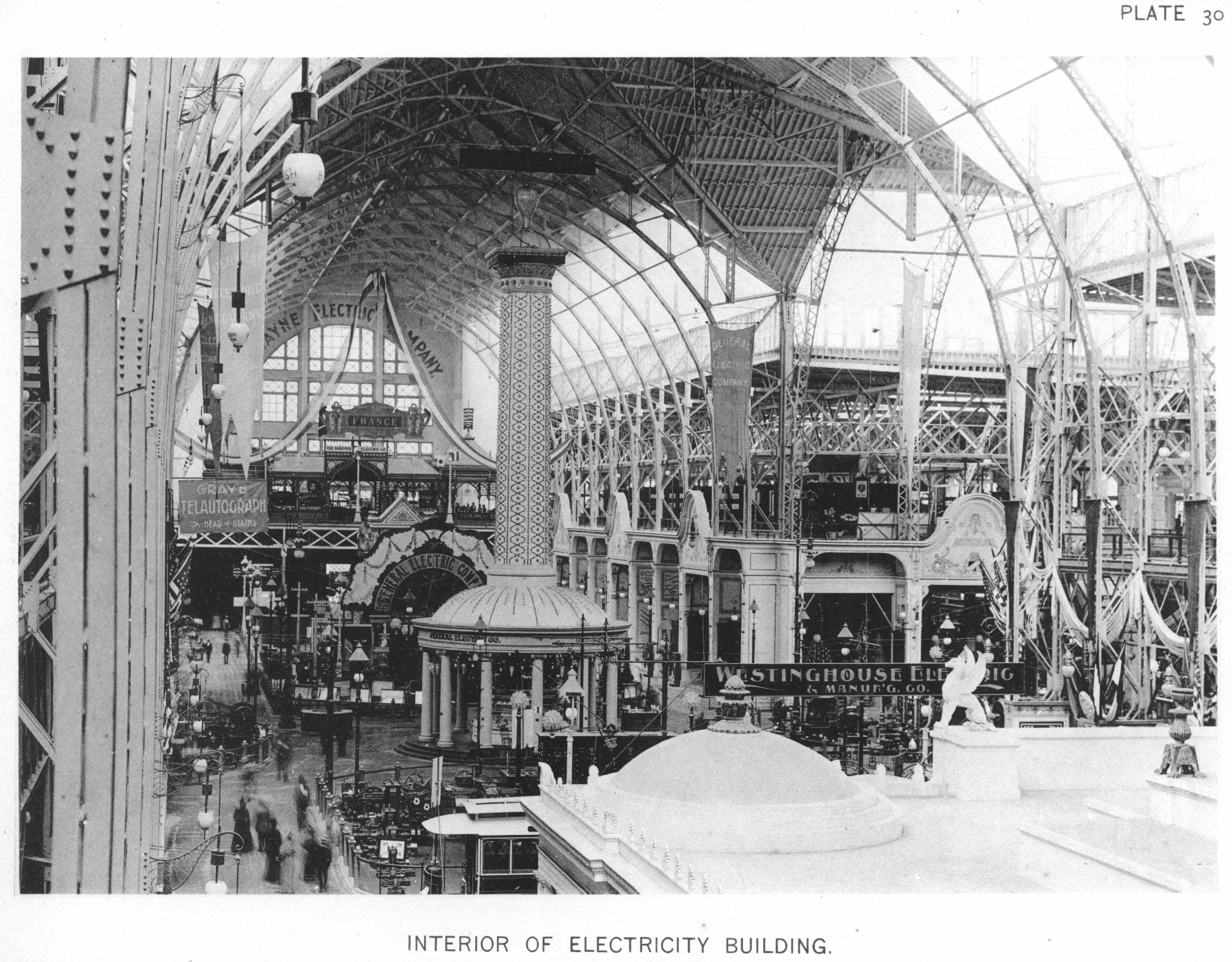
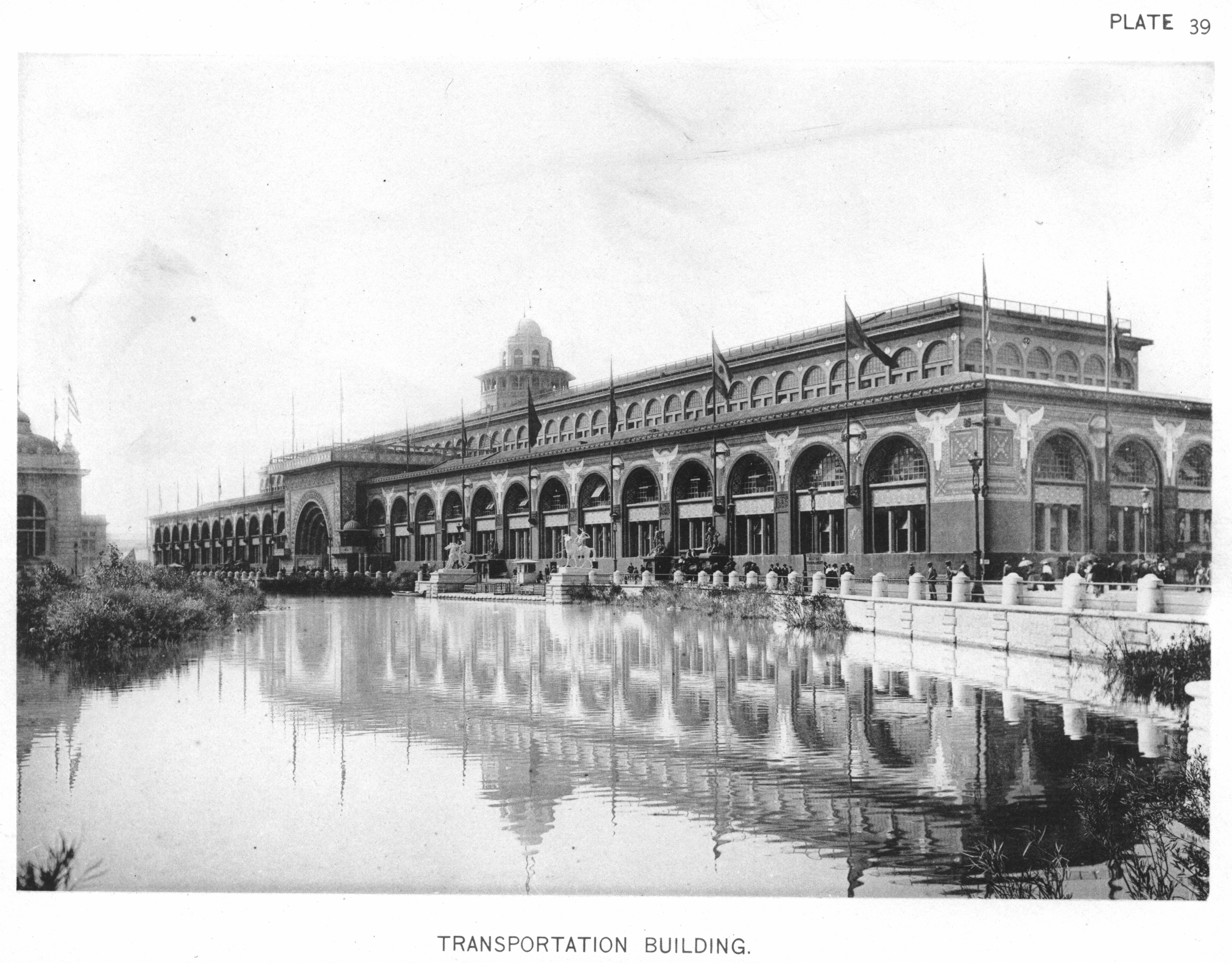
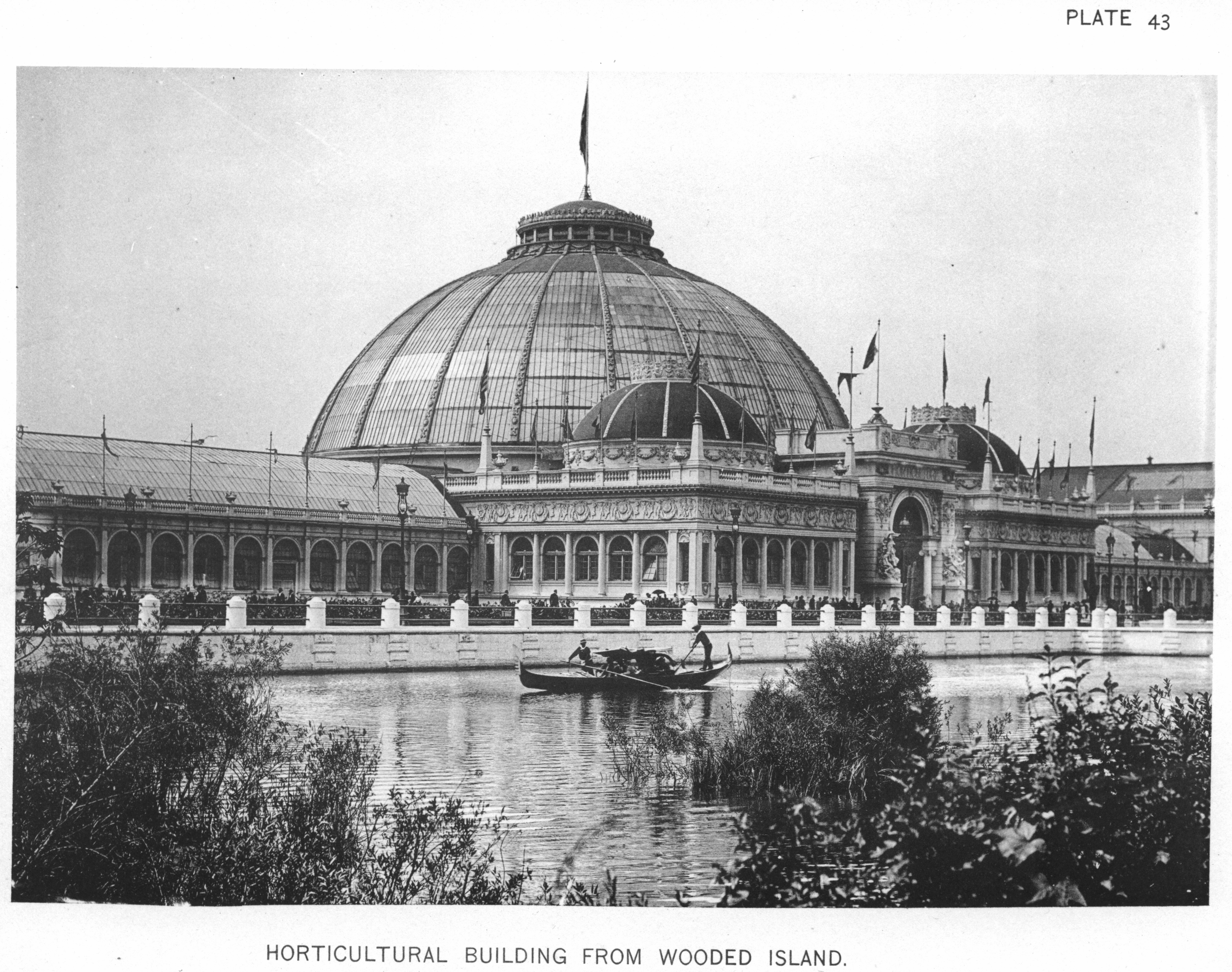
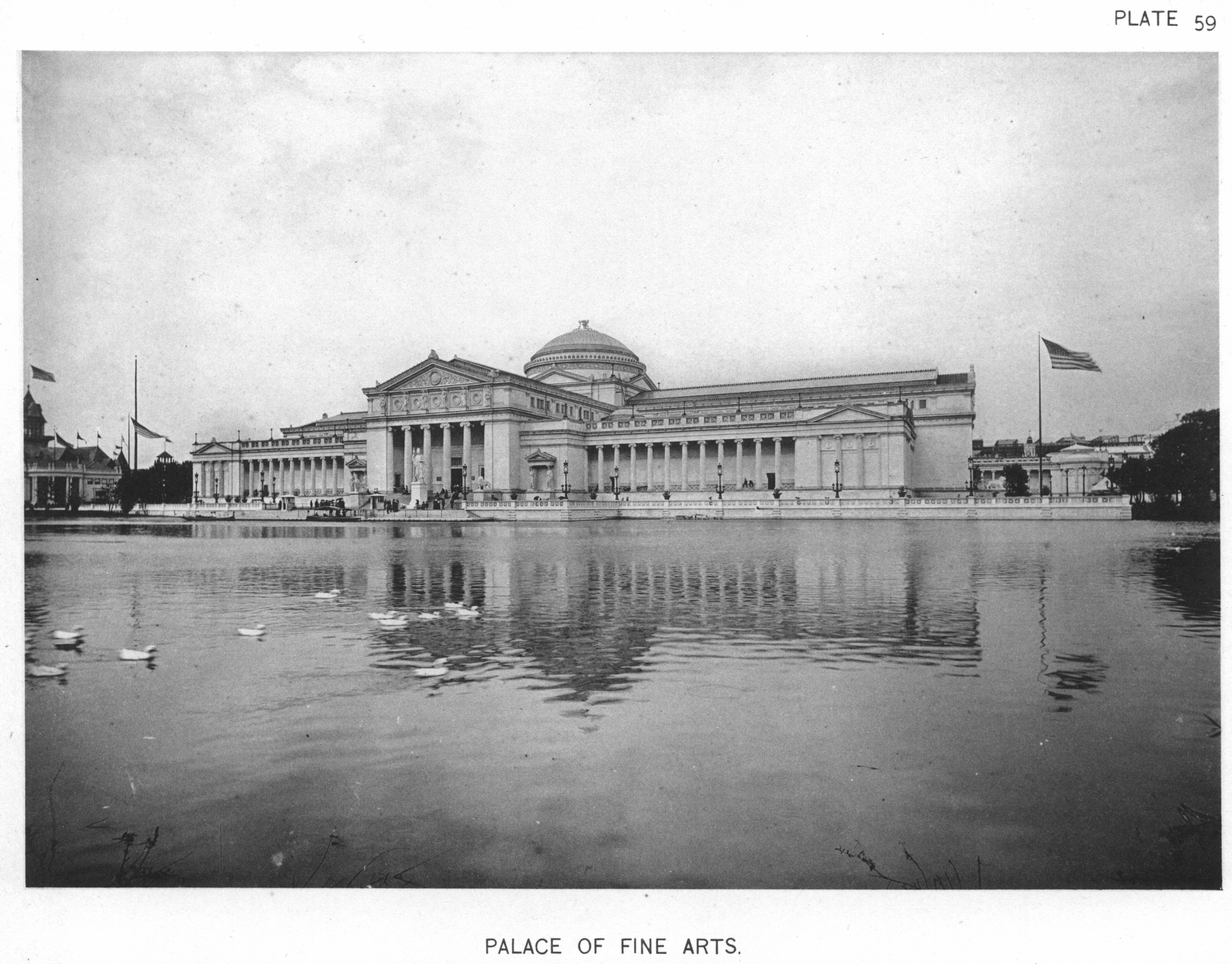
03 Then They Built an Entire White City
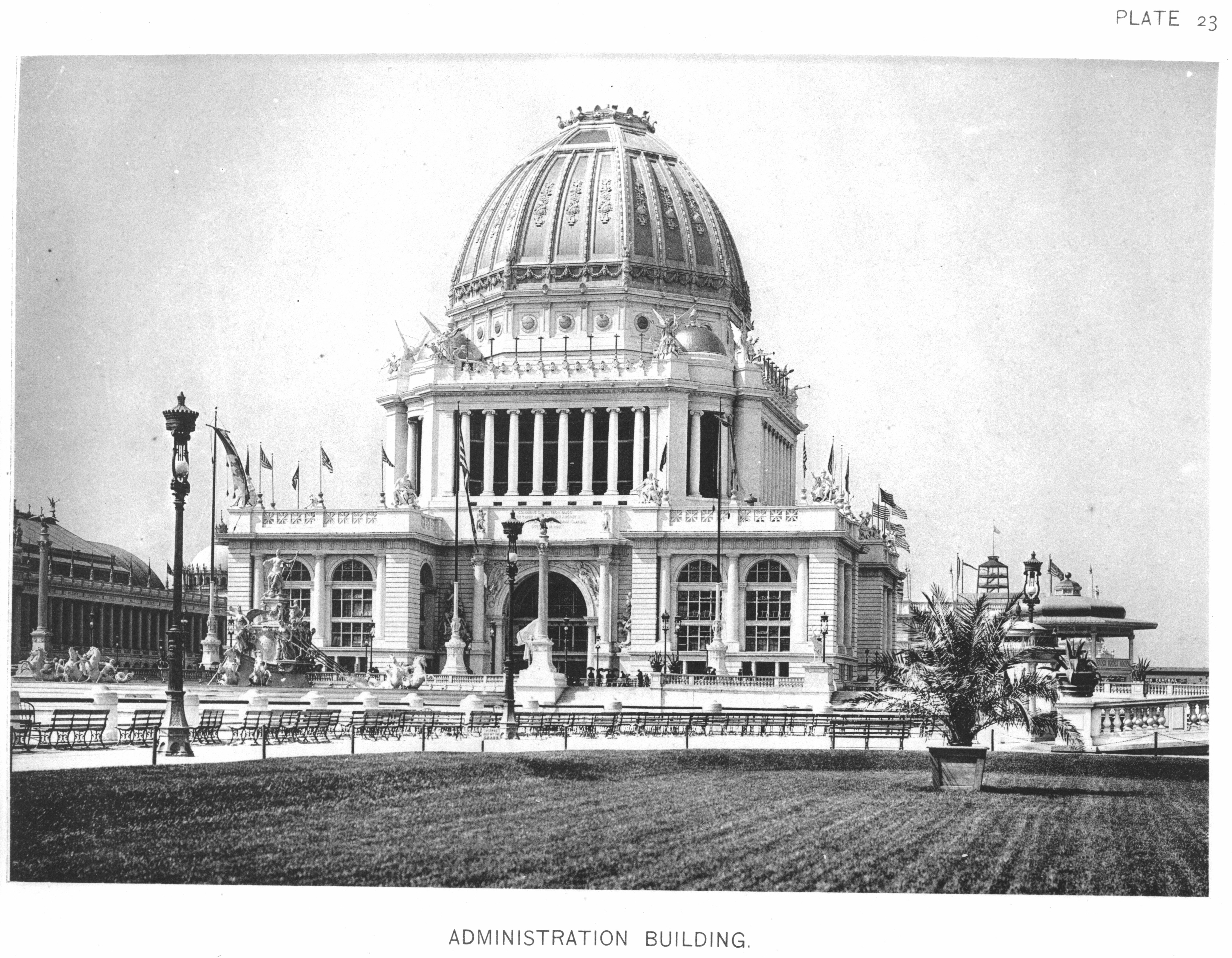
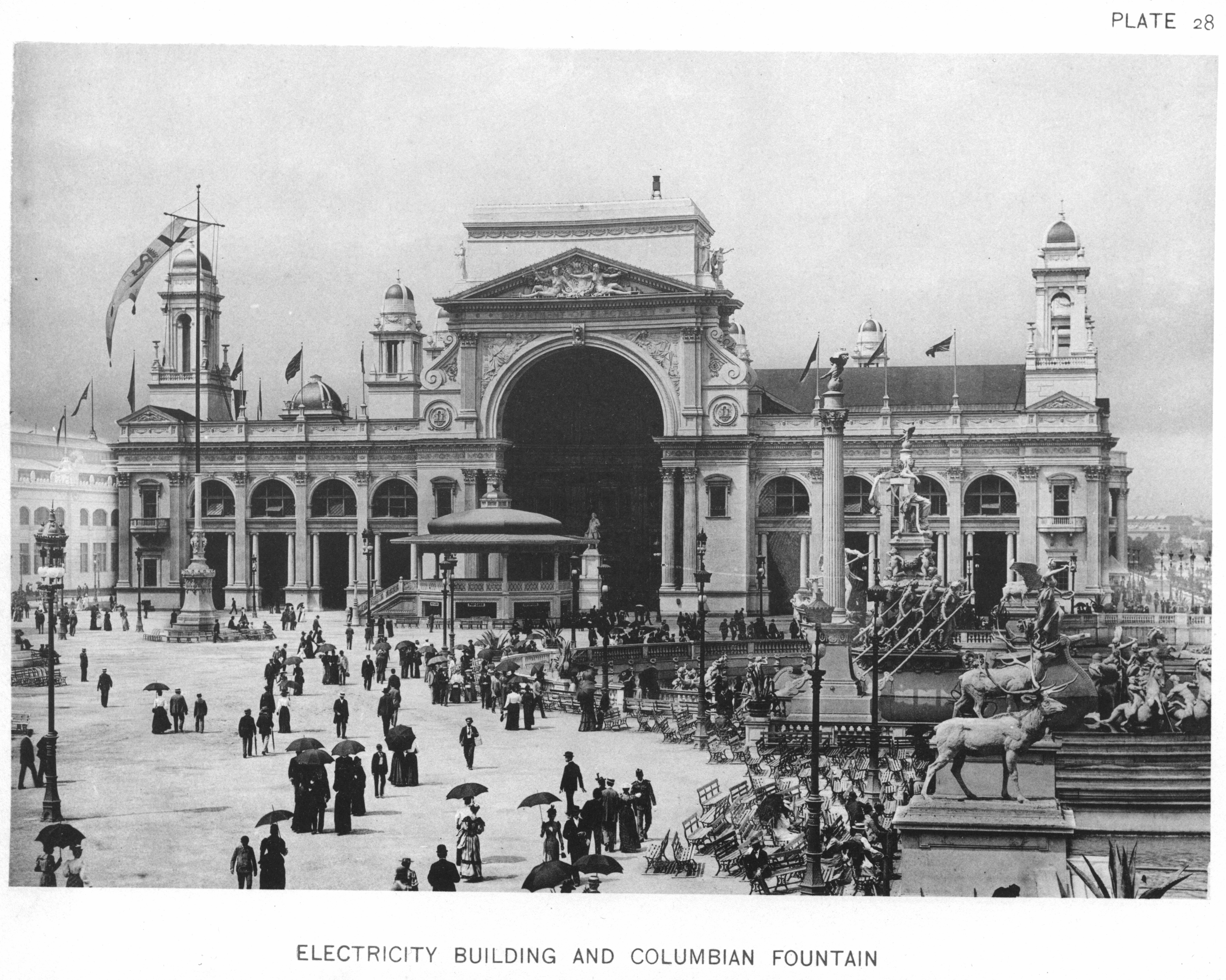
Forty-two years later, Chicago hosted the World's Columbian Exposition of 1893.
This is where the rabbit hole becomes almost irresistible.
The fairgrounds contained monumental neoclassical buildings, enormous exhibition halls, canals, lagoons, statues, bridges, gardens, fountains, a terminal station and a dazzling electrical system.
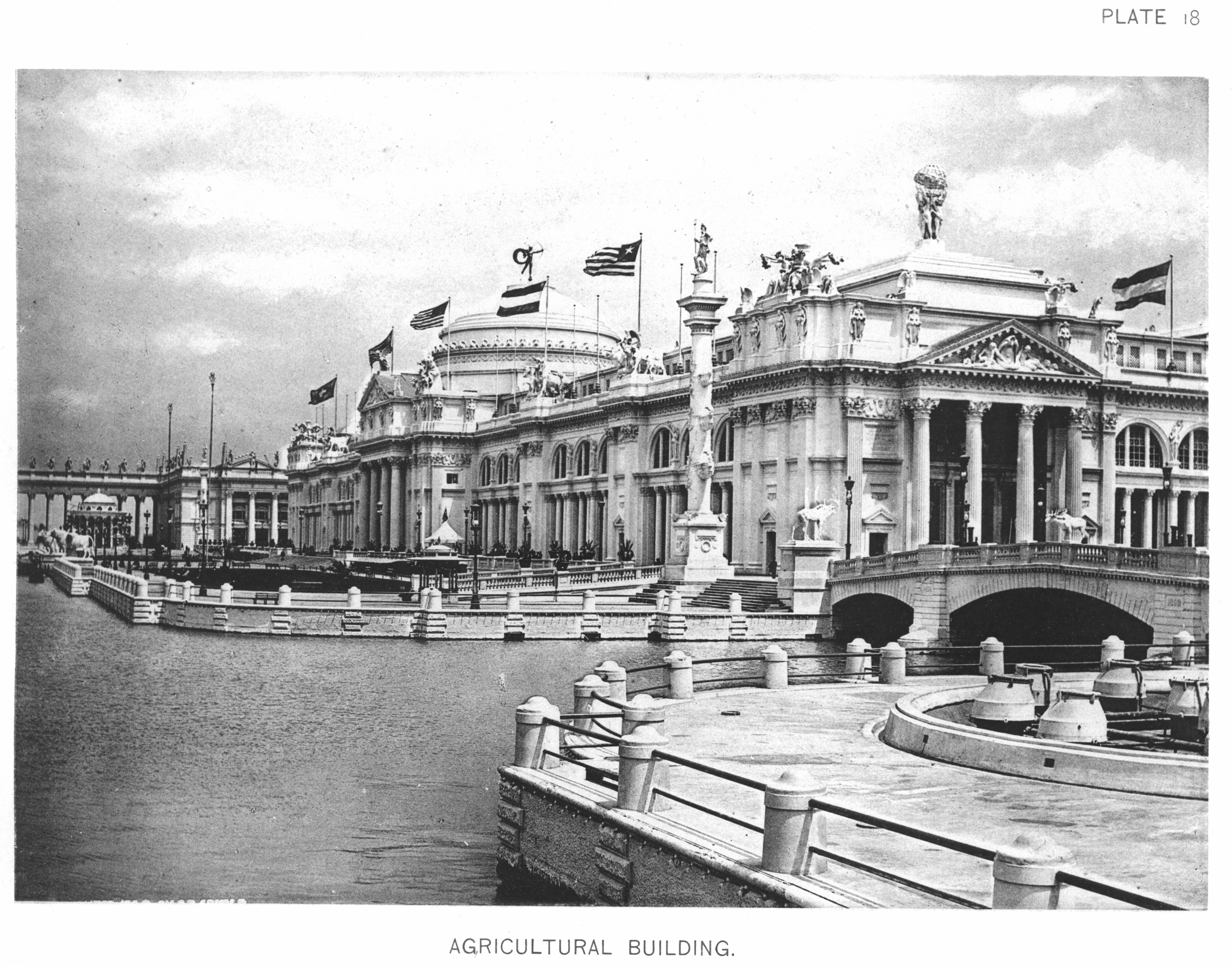
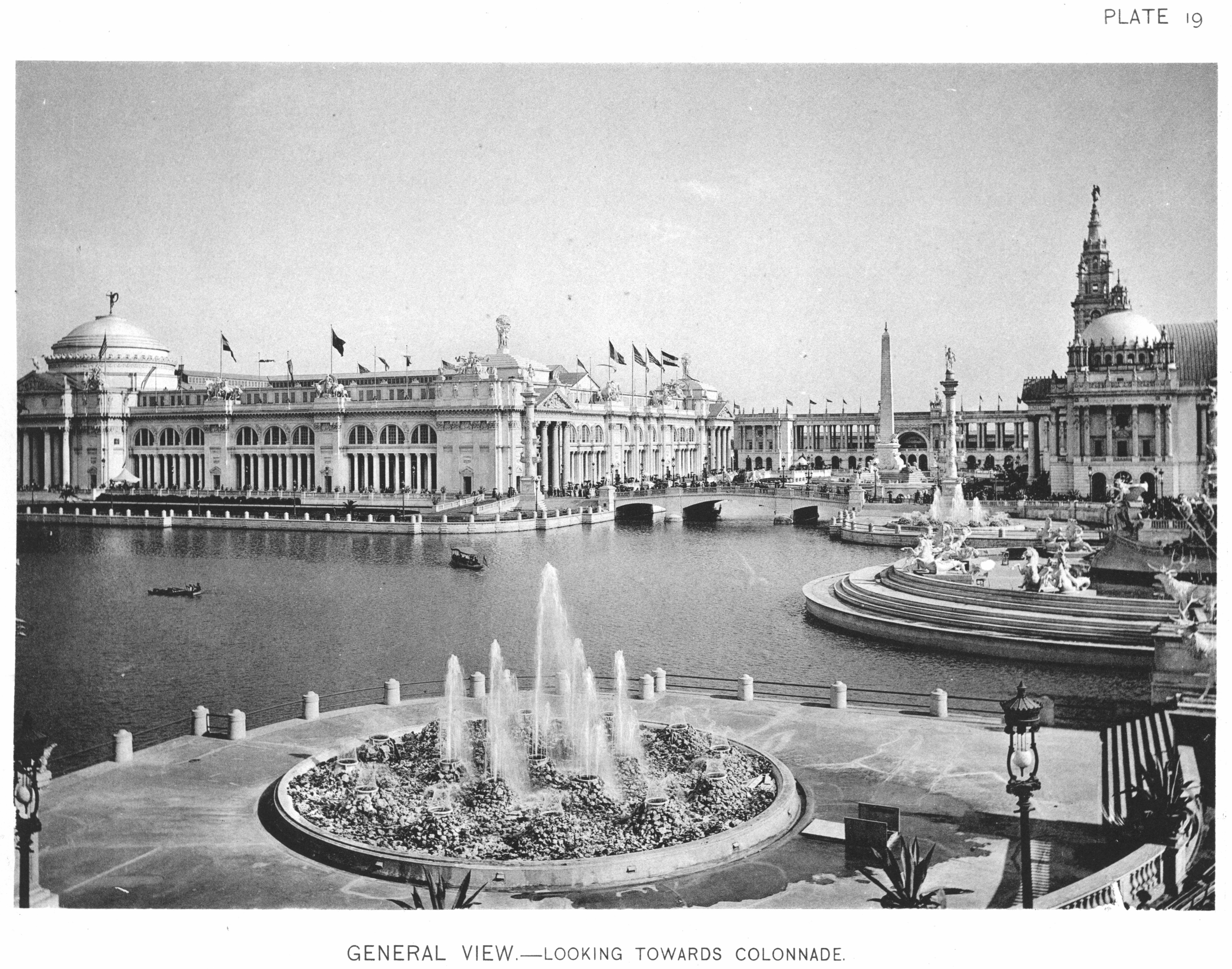
Mainstream historians explain much of the apparent mystery rather well.
Many of the great façades were not solid marble.
They used a temporary building material known as staff, generally involving plaster and fibre over structural frames.
Fine.
But that creates another question.
04 Construction — or Reappropriation?
This is where the Old World theory makes its most provocative move.
What if the word underneath certain historical photographs is wrong?
Not necessarily deliberately wrong.
Simply wrong.
A photograph described as construction might show restoration.
Workers excavating around a building might be establishing a foundation.
Or they might be uncovering something.
Cities really do change street grades.
Buildings really do gain subterranean levels as surrounding infrastructure is altered.
The Mud Flood hypothesis
In its broadest form, the Mud Flood theory proposes that a relatively recent catastrophe deposited enormous quantities of mud or sediment around an older civilization, leaving lower floors partially buried.
Later populations supposedly excavated, repaired and occupied surviving buildings.
Mainstream geology does not recognize evidence of a nineteenth-century worldwide mud flood.
Local flooding, urban fill, changing street grades, landslides and intentionally subterranean construction provide conventional explanations for many examples.
The Lost History
A long-form exploration of forgotten history, alternative chronology and civilization-reset theories.
05 And Then the Cities Burn
The Old World rabbit hole eventually encounters fire.
Chicago.
San Francisco.
Baltimore.
Boston.
Toronto.
Cities in the nineteenth and early twentieth centuries experienced catastrophic fires with an intensity difficult for modern populations to imagine.

The mainstream explanation is straightforward: wooden buildings, open flames, coal and wood heating, limited water systems and primitive firefighting equipment.
A nineteenth-century city could become an enormous tinderbox.

None of this requires a conspiracy.
But fire is an extraordinarily effective reset.
It destroys buildings.
It destroys records.
It destroys maps.
Then cities rebuild.
06 What If Decoration Was Technology?

The 2019 fire at Notre-Dame inevitably became absorbed into Old World speculation.
Investigators treated the disaster as accidental.
There is no established evidence that the fire was designed to erase forgotten technology.
But the Old World question goes beyond the fire.
What were cathedrals originally designed to do?
Alternative researchers examine spires, metallic finials, bells, domes, towers and resonant chambers and wonder whether some monumental buildings once had functions later generations ceased to understand.
There is no accepted engineering evidence that Gothic cathedrals were electrical generating stations.
But buildings are routinely repurposed.
A temple becomes a church.
A palace becomes a museum.
A railway station becomes a shopping centre.
07 The Monument Problem

The Arc de Triomphe has a documented construction history.
That does not stop early photographs from being mesmerizing.
Old World researchers notice recurring arches, domes, columns, star forts and immense masonry buildings across continents.
Architectural history explains these similarities through shared traditions, empires, pattern books, colonial influence and internationally trained architects.
The alternative question remains:
What if some architectural similarity reflects something older?
08 The Speed Problem
You do not actually need Tartaria to find construction history astonishing.
Consider the original Yankee Stadium.
It opened in 1923 after an extraordinarily rapid construction program.
Earlier industrial societies were sometimes able to organize huge workforces and gigantic projects at speeds that are difficult to imagine today.
09 Then Come the Children
The architecture is only half of this rabbit hole.
The population is the other half.

From the nineteenth century into the early twentieth century, American child-placement programs moved enormous numbers of children from crowded eastern cities to homes in other parts of the country.
They became known collectively as the Orphan Trains.
Some children were genuine orphans.
Some had living parents who were unable to support them.
Some came from desperate poverty.
Some were effectively abandoned.
Some found loving homes.
Others experienced exploitation and abuse.

The conventional historical explanation is powerful: massive immigration, poverty, industrialization, limited welfare systems, parental death, social stigma and inadequate institutions produced a humanitarian crisis involving children.
Then the Reset theory takes the same evidence and rearranges it.
What if these were not simply displaced children?
What if a partially depopulated civilization required redistribution and repopulation?
Or repopulating a world?
There is no established historical evidence demonstrating an organized secret post-catastrophe repopulation program.
But this is precisely why the theory survives: the documented event itself is so unfamiliar to modern people that merely describing it can sound conspiratorial.
10 The Incubator Babies Were Real
Now we arrive at one of the strangest pieces of completely documented history in this entire article.
Premature babies were displayed to paying crowds.
Real babies.
In incubators.
At exhibitions and amusement attractions.
Visitors paid admission to see them.
Martin Couney became famous for operating infant-incubator exhibits during an era when hospital neonatal medicine was still developing.
The bizarre arrangement helped fund the expensive care of premature infants while also demonstrating that such babies could survive.
This is not a Mud Flood claim.
It is documented medical history.
And yet, place the incubator babies beside the Orphan Trains, massive immigration, rapidly growing cities and enormous World's Fairs, and you can see why Reset researchers begin connecting dots.
Whether those dots actually belong to the same picture is another question.
11 Babies from the Cabbage Patch?
Then folklore enters the room.
For generations, adults told children that babies came from cabbage patches, were delivered by storks or simply appeared through some whimsical process nobody needed to explain.
The ordinary explanation is obvious.
Adults did not want to explain sex to children.
That is enough.
But alternative-history communities love folklore because folklore sometimes does preserve transformed memories of genuine events.
Flood stories exist across many cultures.
Lost cities become legends.
Real rulers become mythical kings.
Wars become heroic epics.
So someone eventually asks the inevitable forbidden question:
What if strange folklore about mysteriously appearing children preserved a distorted cultural memory of large-scale child relocation?
Do I have proof?
No.
Do I enjoy asking the question?
Absolutely.
12 Flat Earth Dave and the Question Behind the Question
David Weiss — better known as Flat Earth Dave or DITRH, Deep Inside the Rabbit Hole — belongs in this conversation even though the Old World and Flat Earth theories are not the same theory.
The connection is epistemological.
That is a useful English word, by the way.
We will return to it later.
It means that the connection concerns how we know what we know.
Weiss repeatedly challenges his audience to separate direct observation from models accepted through authority.
Mainstream astronomy, geodesy, navigation, satellite technology and physics overwhelmingly support a roughly spherical Earth. The Flat Earth model is rejected by mainstream science.
But that does not make Weiss culturally uninteresting.
His popularity demonstrates that many people have become fascinated by a larger question:
That question travels easily from cosmology to history.
Jon Levi says: look at the building again.
Flat Earth Dave says: look at the horizon again.
Sean Hibbeler says: look at the timeline again.
The conclusions may be radically different.
The instinct is similar.
The rabbit-hole rule
Do not believe something merely because it is unconventional.
But do not reject something merely because it is unconventional either.
Ask what evidence would distinguish one explanation from another.
Issue #2: Down My Original Rabbit Hole
Years ago, I devoted Issue Number 2 of my magazine work to Flat Earth and the broader question of whether the models presented to us by institutions deserve independent examination.
Those videos remain part of the history of how I approached this subject. I have preserved the supplied archive here rather than burying it behind a generic link.
Open any drawer to watch. Each entry includes the embedded video and a direct YouTube button underneath it.
Issue #2 Video Archive — Part 1
From my original Issue #2 video collection exploring Flat Earth and alternative interpretations of the world around us.
Owen Benjamin — NASA, Moon Landing & Related Claims
A supplied video presenting Owen Benjamin's criticisms of NASA and the conventional space narrative. It is preserved here as part of the alternative-history media archive.
Issue #2 Video Archive — Part 3
Another selection from the original Issue #2 archive, preserved with its exact YouTube video ID.
Issue #2 Video Archive — Part 4
From the original Issue #2 collection examining unconventional questions about accepted scientific and historical narratives.
Globe History 地球歷史
One of the earlier videos associated with my Flat Earth material and Issue Number 2.
Issue #2 Video Archive — Part 6
Another surviving entry from my original Issue #2 alternative-history and Flat Earth video collection.
We Can't Go To Space
A video from the supplied archive challenging conventional claims about space travel and the modern cosmological model.
Issue #2 Video Archive — Part 8
From the original Issue #2 archive, presented here using the exact supplied YouTube video.
Jesuits Erasing Our Flat Earth — Documentary
A documentary from the Flat Earth conspiracy ecosystem examining claims about institutional history, education and the Jesuits.
Issue #2 Video Archive — Part 10
13 And While We're Questioning Everything... Dinosaurs
The rabbit hole does not politely remain inside one subject.
Once someone begins asking whether history has been reconstructed from incomplete evidence, museums become an obvious next stop.
Dinosaurs are supported by an enormous body of paleontological evidence: fossilized bones, trackways, eggs, coprolites, geological context and specimens studied across many countries and independent institutions.
The existence of museum replicas does not mean dinosaurs are fictional. Museums often display casts because original fossils are valuable, fragile or incomplete.
Nevertheless, critics such as Owen Benjamin and others in the conspiracy community ask questions about reconstruction, artistic interpretation, institutional authority and how much of what visitors see in a museum is original fossil rather than a cast.
Again, there is a useful intellectual distinction here.
A museum reconstruction is partly interpretation.
That does not make the underlying animal imaginary.
But understanding where evidence ends and reconstruction begins is a perfectly reasonable question.
Dinosaur Archive
A supplied alternative-history video exploring questions surrounding dinosaurs, fossils and museum reconstruction.
Dinosaurs Are Fake — Owen Benjamin
Included as an example of a much more radical alternative interpretation. The video represents the speaker's claims; mainstream paleontology strongly disagrees with them.
14 And Now: The Panda

I would now like to submit Exhibit P.
The panda.
Look at it.
Seriously.
Look at this animal.
It belongs to the biological order Carnivora, yet its wild diet consists overwhelmingly of bamboo.
Its digestive system is not a beautifully optimized herbivore machine.
So what does it do?
It eats.
And eats.
And eats.
For much of the day.
It possesses a modified wrist bone that functions rather wonderfully like a thumb, allowing it to grasp bamboo.
Female pandas have a narrow reproductive window.
Their newborn cubs are astonishingly tiny compared with their mothers.
Captive breeding became famously challenging.
In other words, the panda sometimes looks less like the triumphant endpoint of elegant biological engineering and more like nature accepted a dare.
Now, some internet panda claims are simply wrong.
Pandas are not the only forward-facing-eyed mammals that eat vegetation. They can occasionally eat animal matter. They are fully natural animals with an evolutionary history represented in the fossil record.
So no, I cannot prove that the Old World manufactured pandas in an underground laboratory.
Unfortunately.
But if somebody told me tomorrow that the panda had been designed by a committee at 4:45 on a Friday afternoon, I would at least let them finish the presentation.
15 Put the Pieces Beside One Another
The power of the Old World theory does not come from any single piece of evidence.
It comes from putting many apparently unrelated pieces beside one another until they begin to feel like a pattern.
An enormous prefabricated glass-and-iron exhibition structure appears in London with mature trees incorporated inside it.
A major American city suffers catastrophic destruction and subsequently rebuilds.
Large numbers of children are transported through organized placement programs.
Monumental temporary architecture, lagoons, electric lighting and enormous exhibition buildings appear for the World's Columbian Exposition.
Premature babies receive neonatal treatment in public attractions funded partly by spectators.
Earthquake and fire devastate another major city and radically transform its built environment.
The conventional historian sees several different stories.
Industrialization.
Migration.
Urban disaster.
Medical innovation.
Temporary exhibition architecture.
Child welfare.
Technological progress.
The Reset theorist looks at exactly the same list and sees one story.
Depopulation.
Repopulation.
Inherited cities.
Destroyed evidence.
Rewritten history.
The historical facts do not automatically choose between those interpretations.
That is why context matters.
16 So What Do I Actually Believe?
Here is where I am willing to lay claim to the conspiracy theory.
I believe we have inherited more than we realize.
I believe history taught in school is necessarily compressed, simplified and sanitized because thousands of years of human civilization must somehow be fitted into textbooks, class periods and examinations.
I believe old photographs deserve to be examined independently of their captions.
I believe the construction ability of nineteenth-century people is routinely underestimated.
I believe World's Fairs are absolutely astonishing.
I believe hundreds of thousands of displaced children deserve more attention than they usually receive in popular history.
I believe incubator-baby exhibitions are one of those genuine historical facts that sound like fiction until you research them.
I believe fires, redevelopment, wars, demolition, changing streets and human forgetfulness have erased extraordinary amounts of physical history.
And I believe human beings have a terrible habit of confusing the currently accepted explanation with the only explanation anyone is permitted to consider.
Do I know there was a worldwide nineteenth-century Mud Flood?
No.
Do I know Tartaria was a technologically advanced global civilization whose history was intentionally erased?
No.
Do I know Gothic cathedrals were power stations?
No.
Do I know pandas are biological refugees from a forgotten civilization?
Tragically, no.
But I know something else.
Human knowledge improves because somebody eventually asks a question that previously sounded stupid.
That does not mean every stupid-sounding question contains a revolutionary truth.
Most probably do not.
It means the question deserves to be answered with evidence rather than ridicule.
Believe it. Reject it. Investigate it. But look at the photographs first.
The Complete Rabbit-Hole Video Library
If you want to disappear down the rabbit hole yourself, here is the complete collection used in this article.
Unlike a list of meaningless video codes, every entry below is identified by subject and source.
Old World Order
Sean Hibbeler's exploration of the Old World,
inherited architecture and alternative chronology.
The Lost History
Long-form alternative-history documentary from the iLearn.tw archive.
The ten supplied YouTube videos from my earlier Flat Earth and alternative-history work are embedded above.
They cover Flat Earth, globe history, NASA, space travel, institutional authority and related questions.
The videos have intentionally been presented as actual titled viewing cards rather than unexplained YouTube identification numbers.
Dinosaur Archive
Alternative questions concerning fossils,
reconstruction and museums.
Dinosaurs Are Fake — Owen Benjamin
A much more radical challenge to the conventional dinosaur narrative.
Now Let's Learn Some English
You made it through the rabbit hole. Now use the article as an English lesson.
Do not worry if you do not understand every word. Try to understand the argument first, then study the vocabulary below.
Essential Vocabulary
To receive something from someone or something that came before.
What if later populations inherited the buildings?
To take something existing and use it again, often for a new purpose.
An older palace can be reappropriated as a museum.
Generally accepted, traditional or commonly used.
A proposed explanation that can be examined or tested.
Very large, impressive or historically important.
The physical systems that allow a society to function.
The order in which events happened through time.
An idea formed without enough evidence to know whether it is true.
Reasonable enough that it could be true.
To check whether something is accurate or true.
A story or organized explanation of events.
The study of knowledge: what knowledge is and how we know something.
Multiple-Choice Challenge
Read the question and choose from A, B, C or D. Then click Reveal the answer to check yourself.
1. What is the main question behind the “inherited architecture” theory?
Reveal the answer
The theory asks whether some impressive structures may have been inherited, repaired or reappropriated rather than built entirely by the populations normally credited with them.
2. Why is the Crystal Palace important to this discussion?
Reveal the answer
The Crystal Palace demonstrates how advanced nineteenth-century industrial organization and prefabrication had already become.
3. What material helped create many façades at Chicago's White City?
Reveal the answer
Many World's Fair structures looked like permanent monumental masonry but used temporary construction systems and a material commonly called staff.
4. Does this article claim that a worldwide nineteenth-century Mud Flood has been scientifically proven?
Reveal the answer
Mainstream geology does not accept a recent worldwide Mud Flood. The article explores it as an alternative hypothesis, not as an established scientific fact.
5. What were the Orphan Trains?
Reveal the answer
Large numbers of children were moved through organized placement systems in the United States during the nineteenth and early twentieth centuries.
6. Were premature babies really displayed in incubators where members of the public paid admission?
Reveal the answer
Premature infant exhibitions really existed. Admission revenue helped fund neonatal care at a time when such treatment was not widely available.
7. What does “epistemology” concern?
Reveal the answer
Epistemology concerns knowledge, evidence and the basis upon which we believe something to be true.
8. Why does the article mention Flat Earth Dave?
Reveal the answer
The connection is philosophical and epistemological. The article is not claiming that Flat Earth and Old World theories are identical.
9. Why does the article distinguish evidence from interpretation?
Reveal the answer
The Orphan Trains, for example, are historical evidence. Calling them evidence of a secret repopulation program is an additional interpretation requiring additional proof.
10. What is the panda doing in this article?
Reveal the answer
Obviously.
True or False?
The Crystal Palace really incorporated mature trees inside the structure.
Every major building at Chicago's 1893 World's Fair was permanently constructed from solid marble.
The Orphan Train movement is merely an internet conspiracy theory.
This article claims that every alternative-history theory is true.
Speaking & Discussion Questions
- When should we trust an expert?
- When should we question an expert?
- Can a photograph be misleading even when the photograph itself is genuine?
- Why do conspiracy theories become popular?
- Which is stronger evidence: a photograph, a written document or physical archaeology?
- Why were earlier societies sometimes able to construct enormous projects so quickly?
- Would you have visited the 1893 Chicago World's Fair? Why or why not?
- Do you think modern people underestimate nineteenth-century technology?
- What evidence would convince you that a building was older than its official construction date?
- What evidence would convince you that the conventional history was correct?
- What is the difference between being skeptical and automatically disbelieving everything?
- Which idea in this article would you most like to research independently?
Writing Challenge
Useful English for Disagreeing Politely
Use this when you understand another person's argument but disagree.
Useful when evidence supports a possibility but does not establish a conclusion.
A useful phrase for introducing an alternative theory.
A neutral way to ask someone to justify an assertion.
Two events occurring together does not automatically mean one caused the other.
A calm, formal way to say that an argument has not persuaded you.
Good English is being able to explain why you agree or disagree.
Sources, Archives & Further Exploration
This article deliberately combines established historical material with speculative interpretations. Readers are encouraged to examine archival sources and competing explanations independently.
- Library of Congress — World's Columbian Exposition photographic collections: Explore the archive ↗
- Library of Congress — 1893 World's Fair panoramic photograph: View the World's Fair panorama ↗
- Library of Congress — San Francisco earthquake and fire collections: Explore the 1906 archive ↗
- Library of Congress — Ruins of San Francisco panorama: View archival panorama ↗
- Library of Congress Maps — Chicago in 1893: Explore selected World's Fair maps ↗
- Wikimedia Commons — Crystal Palace interior: View archival image ↗
- Wikimedia Commons — Crystal Palace from the northeast: View archival image ↗
- Wikimedia Commons — Orphan Train: View historical image ↗
- Wikimedia Commons — Orphan Train flyer: View historical document ↗
- Project Gutenberg — Historical photographic material from the World's Columbian Exposition: Explore the World's Fair archive ↗
- Jon Levi — Old World and forgotten-history research: Explore Jon Levi's work ↗
- David Weiss / Flat Earth Dave / DITRH — Flat Earth research and media: Explore Flat Earth Dave ↗
- Smithsonian's National Zoo — Giant panda biology: Learn about giant pandas ↗
Historical images in this article are drawn primarily from public-domain or archival collections including the Library of Congress, Wikimedia Commons and Project Gutenberg. External image hosting can change over time; archival source links have therefore also been included wherever practical.


